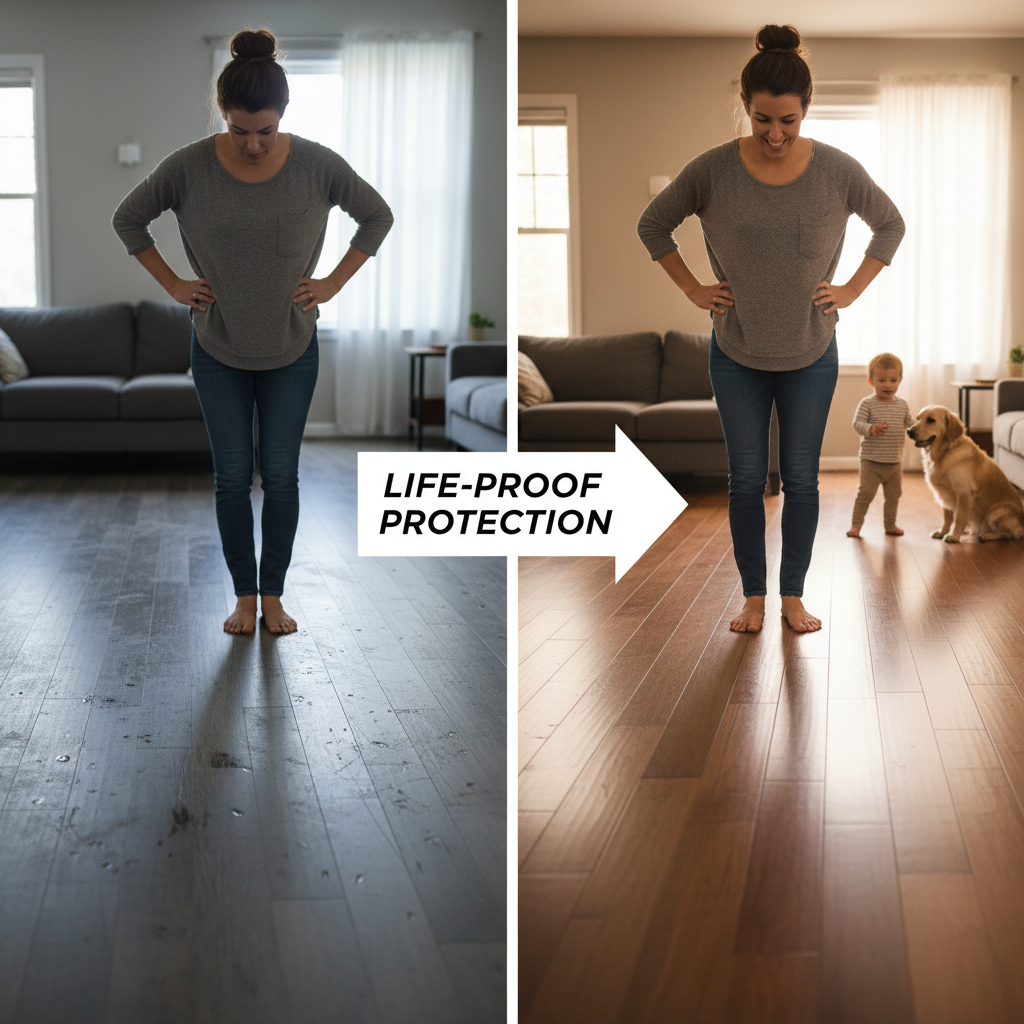
There is a universal frustration shared by homeowners, landlords, and facility managers alike: the premature, unsightly degradation of a newly installed floor. What begins as a pristine surface inevitably falls victim to the rigors of daily life, accumulating unsightly scratches, deep structural dents, and dull, faded patches. But here is the critical truth—most of this daily floor damage is cumulative, predictable, and entirely preventable.
Welcome to the ultimate “life-proof” flooring masterclass. This comprehensive guide bridges the gap between the active residential home and the heavy-duty industrial facility, offering a science-backed blueprint to protect any space. Whether you are trying to understand the hidden environmental culprits destroying your hardwood, seeking to execute flawless repairs on scratched and dented floors, or looking to upgrade to the absolute toughest materials on the market—like adamantine flooring—this article provides the definitive roadmap. Let’s journey from the microscopic science of wear and tear to the pinnacle of high-performance floor protection.
- The Science of Daily Floor Damage: Identifying the Hidden Culprits
- Proactive Floor Protection: Halting Damage Before It Starts
- Material Supremacy: Top Durable Flooring Solutions for Active Spaces
- High-Performance & Adamantine Flooring: The Industrial Standard
- Advanced Scratch-Resistant Floor Coatings Demystified
- The Triage Protocol: Repairing Scratched and Dented Floors
- Conclusion
- References & Authoritative Sources
The Science of Daily Floor Damage: Identifying the Hidden Culprits
To effectively protect your investment, you must first move beyond a basic awareness of wear and tear and understand the forensic science of floor damage. Flooring degradation is rarely the result of a single catastrophic event; rather, it is the culmination of surface abrasion, structural impact, and silent environmental sabotage.
Abrasion vs. Impact: Scratches, Dents, and Micro-Damage
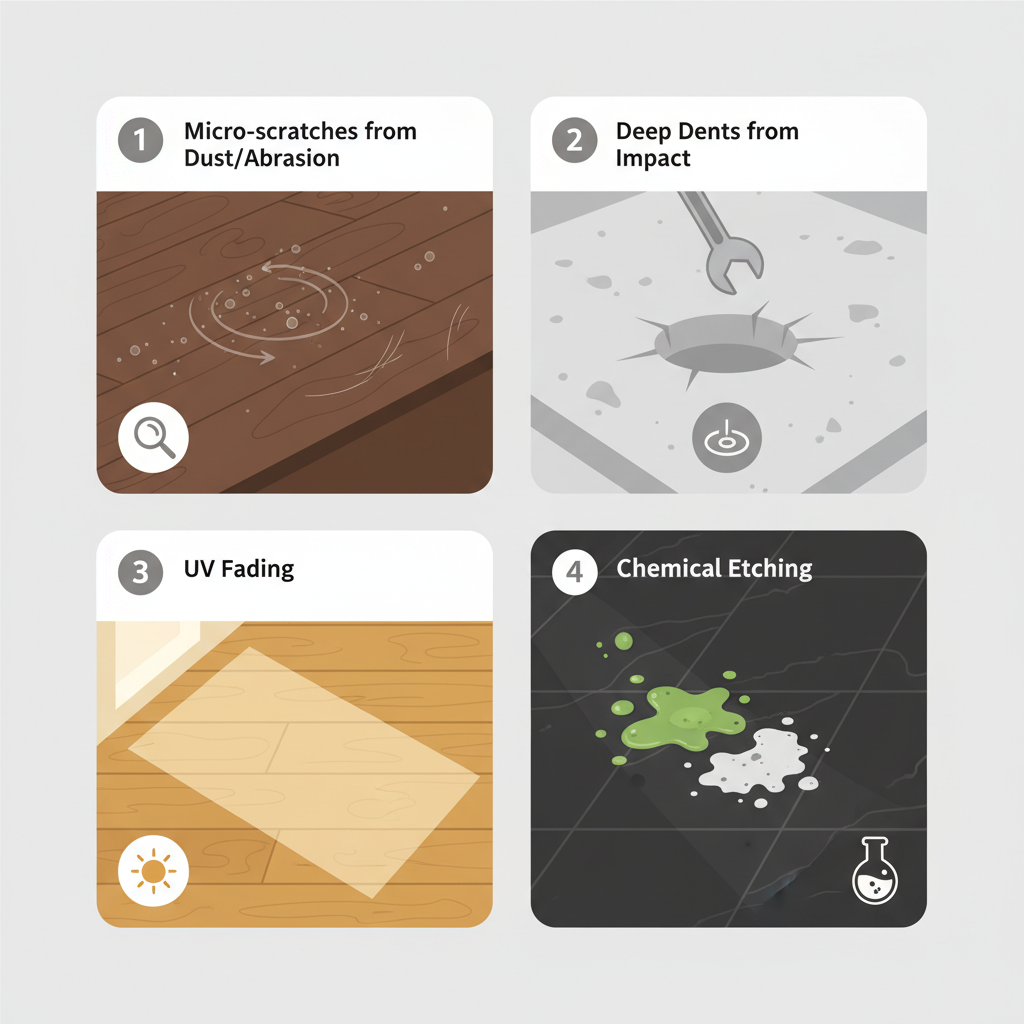
When evaluating scratched and dented floors, it is crucial to differentiate between scratch resistance and impact resistance. Scratch resistance refers to a material’s ability to withstand surface wear—think of a large dog’s nails skittering across the room or the friction of moving a chair. Impact resistance, however, dictates how well a floor handles blunt force, such as a dropped cast-iron skillet or heavy furniture compressing the planks.
One of the most overlooked causes of daily floor damage is the cumulative effect of micro-scratches. Ambient dust, microscopic silica particles tracked in from outside, and improper vacuuming act like fine-grit sandpaper on your floor’s finish. According to the World Floor Covering Association (WFCA), utilizing a vacuum cleaner with an active, stiff-bristled beater bar on hard surfaces is a primary cause of premature finish degradation [1]. Over time, these micro-abrasions dull the protective wear layer, leaving the core material vulnerable to deeper, irreversible damage.
Environmental & Chemical Sabotage: UV, Humidity, and Harsh Cleaners
Not all damage comes from physical force. Direct sunlight, fluctuating humidity, and the very products you use to clean your floors can cause severe daily floor damage. Original macro-photography of aging floors often reveals microscopic crazing (fine cracking) and severe UV fading that goes unnoticed until a rug is moved. The American Hardwood Information Center notes that prolonged exposure to ultraviolet light chemically breaks down the lignin in wood and degrades polyurethane finishes, causing them to yellow and turn brittle [2].
Furthermore, many popular, store-bought floor cleaners are secretly sabotaging your floors. These highly marketed solutions often contain harsh alkalis or acidic compounds that chemically degrade protective wear layers over time. “Homeowners frequently use cleaners with pH levels that are far too aggressive for residential finishes,” notes an Institute of Inspection, Cleaning and Restoration Certification (IICRC) certified cleaning professional. “For routine maintenance, a strictly pH-neutral cleaner is the only safe choice to prevent chemical etching on luxury vinyl and hardwood” [3].
Proactive Floor Protection: Halting Damage Before It Starts
The most effective way to manage flooring wear and tear is to implement proactive floor protection. This means anticipating hazards during renovations and establishing rigorous preventative maintenance routines for daily living.
Construction & Renovation Shielding
If you are building a new home or undergoing a renovation, temporary construction protection is non-negotiable. Industry data reveals that implementing proactive floor protection during construction saves an average of $1,500 in post-build floor repairs and touch-ups.
While products like rosin paper and heavy-duty Ram Board are excellent for shielding against dropped tools and heavy boots, a common pitfall is the use of standard masking tape or duct tape to secure them. The adhesives in these tapes can permanently pull the finish off hardwood and laminate. Always use specialized, low-tack painter’s tape, and only apply it to the baseboards, never directly to the floor finish.
Additionally, proactive protection extends to environmental controls. A representative from the National Association of Home Builders (NAHB) emphasizes that “proper HVAC acclimation and maintaining a consistent indoor relative humidity between 30% and 50% is the single most important proactive measure to prevent wood floors from cupping, crowning, or splitting after installation” [4].
Daily Preventative Maintenance Hacks
For those wondering how to protect floors from scratches in an already furnished home, actionable, daily hacks are essential.
- Felt Pads: Yes, they work, but they must be replaced every six months as they accumulate abrasive grit.
- Office Chairs: Standard hard-plastic casters will destroy hardwood and luxury vinyl plank (LVP). Upgrade to brand-agnostic polyurethane casters, which glide softly and absorb micro-impacts.
- Appliance Moving: Moving heavy appliances like refrigerators and stoves is a notorious floor-killer. A certified floor restorer recommends this safe, specialized equipment-free method: Slide a 1/8-inch thick sheet of Masonite or hardboard under the appliance’s front feet, gently walk the appliance onto the board, and slide the board across the floor, never allowing the appliance wheels to touch the finished surface directly.
Material Supremacy: Top Durable Flooring Solutions for Active Spaces
When preventative measures aren’t enough, selecting inherently durable flooring solutions becomes paramount. Moving beyond basic aesthetic lists, we must look at the data-driven realities of how materials perform under real-life stress tests.
Residential Life-Proofing: LVP, Engineered Hardwood, and Porcelain Tile
For active homes with large dogs, heavy foot traffic, and high-traffic entryways, three materials dominate the conversation for the best flooring to prevent daily damage:
- Luxury Vinyl Plank (LVP): LVP is highly water-resistant and excellent at resisting surface scratches, provided it has a commercial-grade wear layer (20 mil or higher). However, it is softer than tile, making it susceptible to denting under heavy, stationary furniture.
- Engineered Hardwood: Offering the beauty of real wood, engineered planks are cross-ply constructed for dimensional stability. While they resist humidity better than solid wood, their scratch resistance depends entirely on the factory-applied topcoat.
- Porcelain Tile: The undisputed champion of residential durability. Consumer Reports durability ratings consistently place porcelain at the top for impact and scratch resistance [5]. Scientifically, porcelain tile with a Porcelain Enamel Institute (PEI) rating of 4 or 5 is proven to be highly resistant to daily residential damage, easily withstanding large pets and dropped objects without chipping. Macro-photography of standardized scratch tests shows PEI 5 porcelain remaining virtually flawless while standard laminates show deep gouging.
The Crucial Role of Subfloors and Underlayments
A major oversight in damage resistant flooring is ignoring what lies beneath. The subfloor and underlayment dictate the structural integrity of the floor above. “A perfectly level, rigid subfloor is an absolute necessity for the longevity of Luxury Vinyl Plank,” explains a certified National Wood Flooring Association (NWFA) installer. “If there is any deflection or unevenness in the subfloor, the locking mechanisms of the LVP will experience micro-movements under foot traffic, eventually snapping and causing the floor to fail, regardless of how thick the wear layer is” [6].
High-Performance & Adamantine Flooring: The Industrial Standard
When we transition from active residential homes to commercial kitchens, warehouses, and manufacturing facilities, standard durable flooring solutions are insufficient. This is the realm of high performance flooring.
What is Adamantine Flooring?
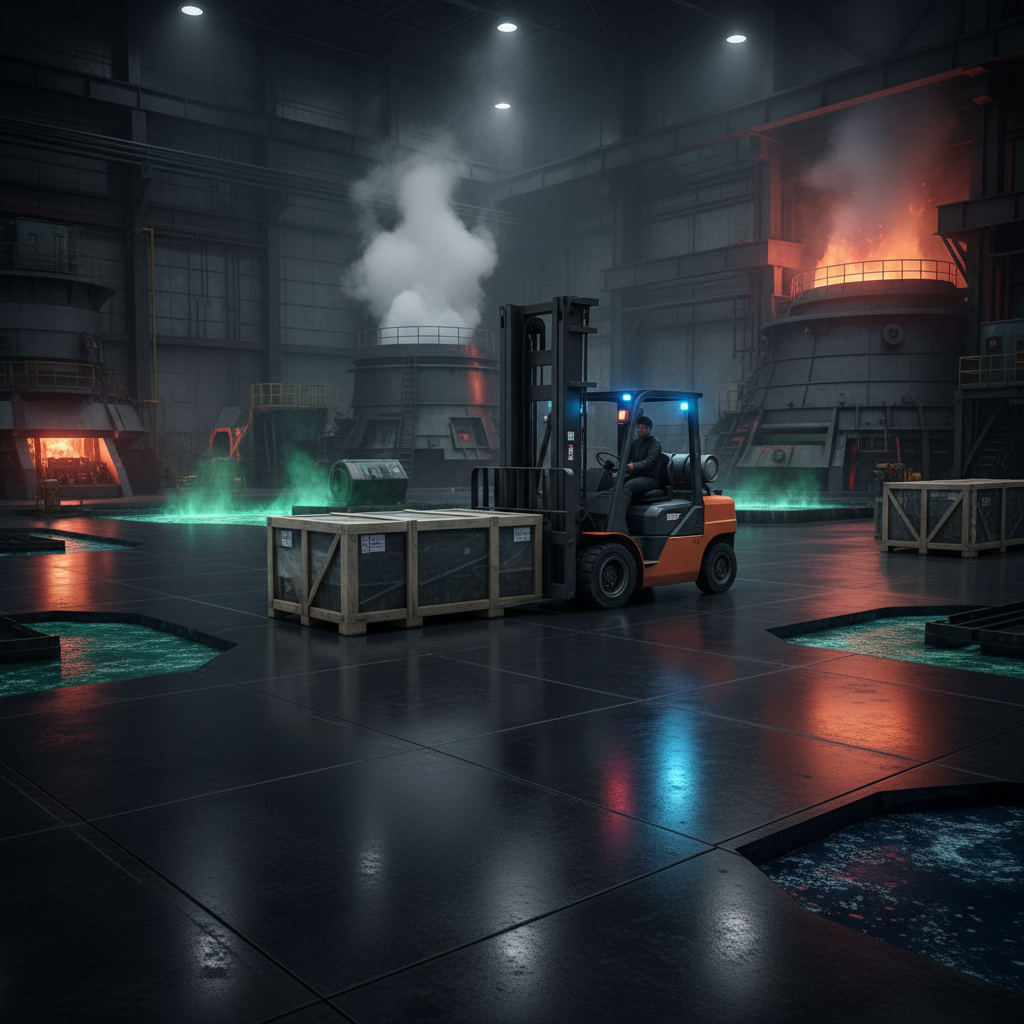
Adamantine flooring represents the pinnacle of extreme durability. Named after the mythological substance of impenetrable hardness, adamantine flooring is typically a highly engineered, multi-layered resinous or urethane mortar system designed for extreme load-bearing capacities, thermal shock resistance, and harsh chemical environments.
Co-authored with insights from International Facility Management Association (IFMA) professionals, it is clear that adamantine systems are viewed as a “20-Year Zero-Failure” investment [7]. While standard polished concrete or basic epoxy might cost $3 to $5 per square foot initially, they often fail under heavy forklift traffic or chemical spills within five years. Adamantine flooring, while requiring a higher initial investment, offers a superior 20-year cost-benefit analysis by eliminating operational downtime, concrete degradation, and continuous repair costs. These systems are rigorously tested against ASTM International standards for impact and abrasion resistance, ensuring they meet the highest industrial benchmarks [8].
Adamantine Durable Floor Protection Solutions: Coatings and Retrofits
For facilities looking to upgrade existing concrete slabs, adamantine durable floor protection solutions offer a transformative retrofit. These ultra-tough coatings can increase concrete floor lifespan by up to 300% compared to untreated surfaces.
Applying these solutions requires strict adherence to Technical Data Sheets (TDS) and Safety Data Sheets (SDS). The secret to adamantine performance is the surface preparation. According to the Society for Protective Coatings (SSPC), the concrete must be mechanically prepared—usually via shot blasting—to achieve a specific Concrete Surface Profile (CSP) [9]. Failure to achieve this profile results in outgassing (bubbles forming in the coating) and catastrophic delamination. While the cost-per-square-foot is higher when factoring in specialized labor and operational downtime, the resulting chemical resistance and mechanical strength are unparalleled.
Advanced Scratch-Resistant Floor Coatings Demystified
For users wanting to restore or upgrade existing hardwood or engineered floors without replacing them, the chemistry of the scratch resistant floor coating is the deciding factor in longevity.
Aluminum Oxide vs. Polyurethane Finishes
When evaluating clear coats, the battle is between factory-applied finishes and aftermarket polyurethanes.
Factory-finished floors often feature aluminum oxide, a naturally occurring mineral embedded into the urethane topcoat. The results are staggering: factory-applied aluminum oxide coatings can withstand over 25,000 cycles on a standard Taber abrasion test [10]. The Taber test, an ASTM standard method, involves mounting a flooring sample on a turntable and subjecting it to rotating abrasive wheels; the higher the cycle count before the finish wears through, the greater the scratch resistance [8].
If you are refinishing a floor on-site, you cannot apply aluminum oxide. You must choose between water-based and oil-based polyurethanes. Oil-based polyurethanes offer a thicker build and a rich amber glow, but they emit high Volatile Organic Compounds (VOCs) and will yellow over time. Water-based polyurethanes cure much faster, remain crystal clear, and have low VOCs, but require more coats. For DIY applications, water-based is generally safer and faster, but professional application of advanced, two-part catalyzed water-based polyurethanes offers the closest aftermarket approximation to factory-level scratch resistance.
The Triage Protocol: Repairing Scratched and Dented Floors
Even with the best proactive floor protection, accidents happen. When dealing with visible damage, you need an immediate triage protocol to decide between a DIY fix, professional restoration, or complete replacement.
DIY Fixes vs. Professional Restoration
- LVP and Laminate: Can you use wood filler on laminate flooring? No. Laminate and LVP require specialized, color-matched acrylic putties. Deep scratches in LVP can sometimes be filled, but if the scratch penetrates the wear layer and damages the photographic print layer, the only true fix is replacing the individual plank.
- Hardwood Dents: For heavy furniture dents in natural wood, the “iron and wet towel” trick is a scientific marvel. By placing a damp towel over the dent and applying a hot iron in short bursts, you force steam into the crushed wood fibers. The cellular structure of the wood absorbs the moisture and expands, often swelling the dent completely flush with the surface.
- Professional Color-Matching: For aged, heavily scratched floors, realistic expectations are vital. “UV fading changes the color of a floor over time,” notes an IICRC restoration expert. “A factory-matched repair putty will match the original floor, not the 10-year-old faded floor. Professional restorers must custom-tint fillers on-site to achieve an invisible repair” [3].
- Beyond Repair: A floor is structurally compromised and requires replacement when water damage causes the subfloor to rot, when engineered wood has been sanded down to its core veneer, or when LVP locking mechanisms have sheared off due to subfloor deflection.
Legal Realities: Normal Wear and Tear vs. Tenant Damage
For landlords and renters, the phrase flooring wear and tear is a legal minefield. What constitutes normal wear versus actionable tenant damage?
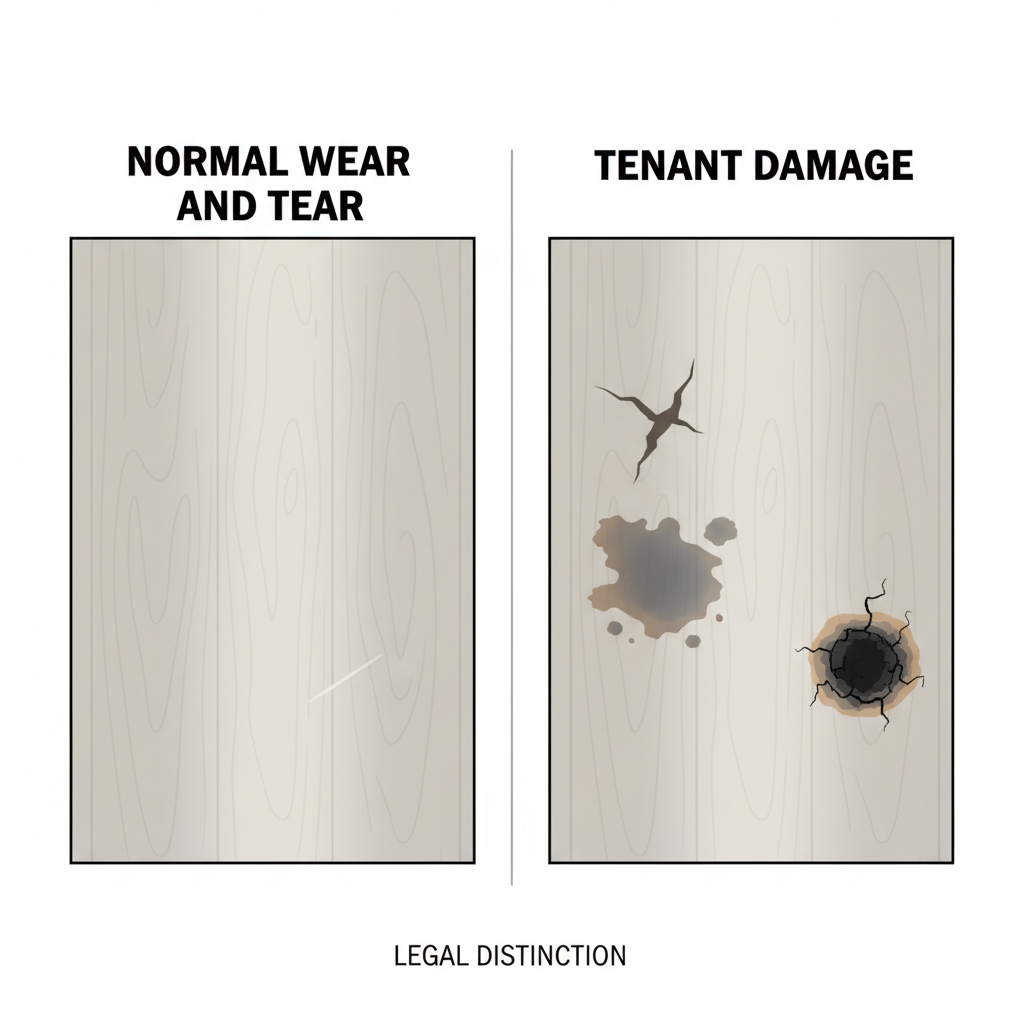
According to guidelines from the Department of Housing and Urban Development (HUD) and the National Apartment Association (NAA), “normal wear and tear” refers to the natural deterioration that occurs through ordinary, everyday use [11][12].
- Normal Wear (Landlord’s Responsibility): Minor fading from sunlight, gentle dulling of the finish in high-traffic walkways, and microscopic surface scratches from routine sweeping.
- Tenant Damage (Actionable): Deep gouges from dragging un-padded furniture, pet urine stains that have penetrated and blackened the wood, and burn marks.
A property management attorney emphasizes that the original quality of the flooring heavily impacts this legal definition. “You cannot charge a tenant for the premature degradation of a builder-grade, 6-mil laminate floor as if it were a high-performance adamantine epoxy. The expected lifespan of the material dictates the threshold for wear and tear.” Furthermore, standard flooring manufacturer warranties almost universally exclude damage from pets, high heels, and improper cleaning chemicals, covering only structural manufacturing defects.
Conclusion
True “life-proofing” is not a myth, but it does require a strategic, science-backed approach. By understanding the hidden culprits of daily floor damage—from microscopic abrasion to chemical etching—you can stop degradation in its tracks. Whether you are implementing proactive protections like polyurethane casters, selecting supreme materials like PEI 5 porcelain, or investing in the 20-year zero-failure promise of industrial adamantine flooring, the power to protect your space is in your hands. Combine the right materials with preventative habits and scientific maintenance, and your floors will withstand the test of time.
*The repair techniques and legal definitions of ‘wear and tear’ provided are for informational purposes. Always consult a certified flooring installer or legal professional for structural repairs and tenant disputes.*
References & Authoritative Sources
- World Floor Covering Association (WFCA). (N.D.). General Flooring Care and Maintenance Guidelines.
- American Hardwood Information Center. (N.D.). The Effects of Ultraviolet Light and Environment on Hardwood Finishes.
- Institute of Inspection, Cleaning and Restoration Certification (IICRC). (N.D.). Standards for Professional Floor Cleaning and Restoration Protocols.
- National Association of Home Builders (NAHB). (N.D.). Construction Best Practices and Site Protection.
- Consumer Reports. (N.D.). Unbiased Product Testing and Flooring Durability Ratings.
- National Wood Flooring Association (NWFA). (N.D.). Subfloor Preparation Guidelines and Wood Durability Standards.
- International Facility Management Association (IFMA). (N.D.). Facility Management Best Practices for High-Performance Flooring.
- ASTM International. (N.D.). Standard Test Methods for Flooring Wear, Impact Resistance, and Abrasion Resistance of Organic Coatings.
- Society for Protective Coatings (SSPC). (N.D.). Industrial Coating Standards and Concrete Surface Preparation.
- Coatings World. (N.D.). Industry Advancements in Polymer and Resin Technologies.
- U.S. Department of Housing and Urban Development (HUD). (N.D.). Federal Guidelines on Property Wear and Tear Lifespans.
- National Apartment Association (NAA). (N.D.). Standards for Rental Property Maintenance and Tenant Disputes.
