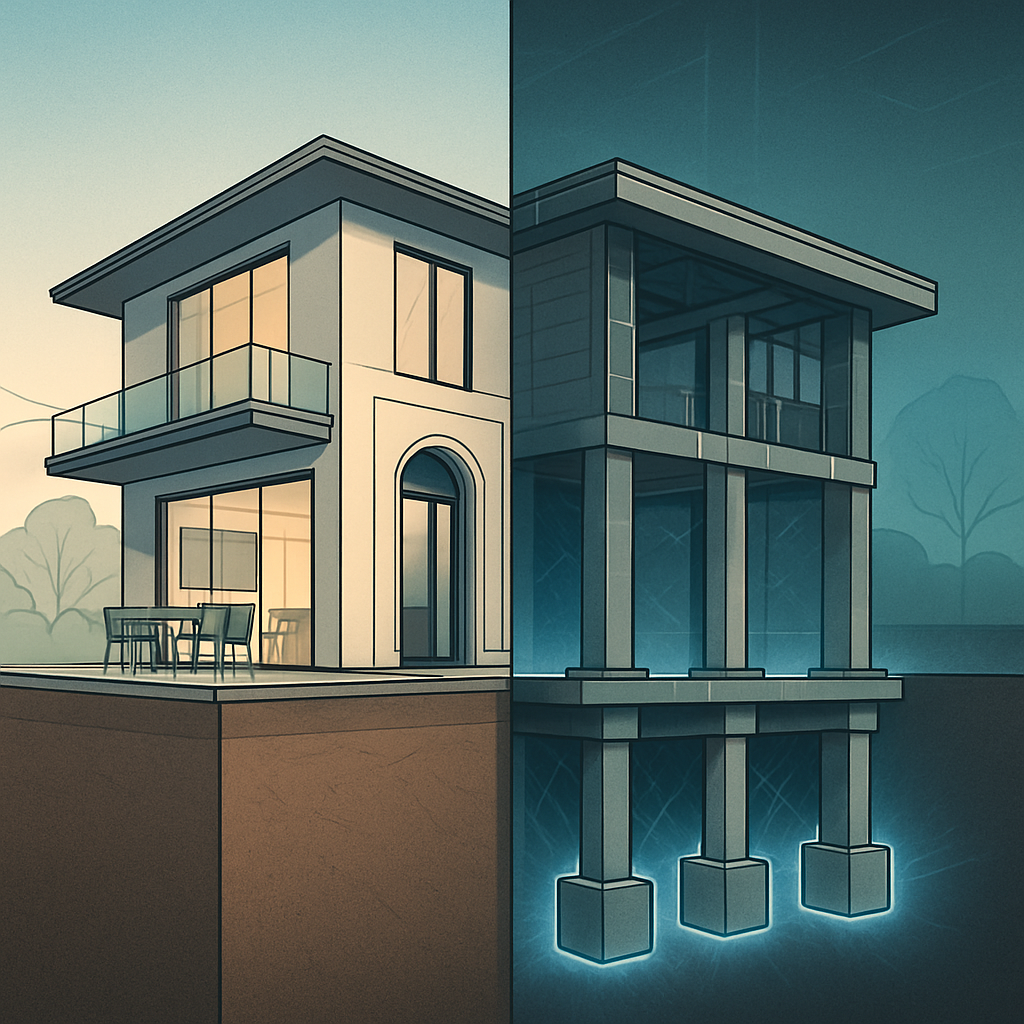
In the world of luxury, some qualities are seen, and others are felt. A home can be adorned with the finest finishes, but true, lasting elegance—an adamantine quality—is built from the bedrock up. It’s the profound sense of security that comes from an indestructible foundation, the quiet confidence of materials chosen for generational durability, and the peace of mind that your investment is not just beautiful, but permanent.
For the discerning homeowner, however, the path to this permanence is often fraught with anxiety. You face the fear of costly, hidden structural failures, the decision paralysis of balancing immense upfront costs with unknown long-term value, and the deep-seated concern that the most critical parts of your home—the ones you can’t see—are not built to last.
This guide was created to solve that. We will move beyond simple material lists to provide a definitive framework that unites material science with financial wisdom. From the engineering of an indestructible foundation to the economics of premium architectural materials, this is your blueprint for making expert-level decisions and building a home that truly endures.
- The Philosophy of Durability: Why ‘Adamantine’ Construction is the Ultimate Luxury
- The Bedrock: Engineering an Indestructible Foundation
- Beyond the Foundation: A Guide to Premium Architectural Materials
- The Homeowner’s Shield: Identifying and Preventing Structural Failure
- Expert Q&A: Your Top Durability Questions Answered
- Conclusion
- References and Authoritative Sources
The Philosophy of Durability: Why ‘Adamantine’ Construction is the Ultimate Luxury
True luxury in a home isn’t measured by the fleeting trends of interior design, but by the enduring quality of its core structure. This is the philosophy of ‘adamantine’ construction: the belief that indestructible elegance is achieved when superior, durable engineering forms the unseen foundation for visible beauty. It’s a shift in perspective from temporary aesthetics to permanent value.
The U.S. Department of Housing and Urban Development (HUD) has long emphasized that durability is a cornerstone of safe, sustainable housing, directly impacting a home’s ability to retain value and protect its occupants.[1] This principle is magnified in the high-end market. As luxury builders at Kenwood Builders note, clients are increasingly seeking homes where longevity is the primary feature, understanding that the greatest luxury is the freedom from worry about structural integrity issues and constant, costly maintenance.[2]
This leads to the three pillars of durable construction:
- Superior Material Science: Choosing materials not just for their look, but for their proven ability to resist degradation from moisture, climate, and time.
- Expert Engineering and Craftsmanship: Ensuring that every component, from the foundation footings to the roof trusses, is designed and installed to meet or exceed the highest industry standards.
- Designing for Minimal Maintenance: A forward-thinking approach where material choices and construction techniques are intentionally selected to reduce the need for future repairs and upkeep, preserving both the home’s condition and the owner’s peace of mind.
Ultimately, high-end durable construction is about building a legacy. It’s an investment in a permanent foundation solution that provides safety, commands a higher resale value, and delivers the ultimate luxury: a home that is built to last for generations.
The Bedrock: Engineering an Indestructible Foundation
The foundation is the single most critical component of your home. It is the literal bedrock upon which your entire investment rests, yet it is often the least understood. Engineering an indestructible foundation isn’t about overspending; it’s about intelligent, forward-thinking design that mitigates risk and ensures generational stability.
A Structural Engineer’s Insight: The Non-Negotiable First Step
Before a single trench is dug, a professional soil analysis is paramount. The type of soil—be it expansive clay, shifting sand, or stable loam—dictates the entire foundation design, from the depth of the footings to the specific type of reinforcement required. Skipping this step is the most common and costly mistake in new construction, leading to future settling, cracking, and potential structural failure.
Furthermore, all construction must adhere to local building codes, such as the International Residential Code (IRC), which specifies minimum foundation depths to extend below the regional “frost line.” This prevents the foundation from heaving and cracking due to the ground freezing and thawing, a critical factor for long-term durability in colder climates.
What Makes a Foundation ‘Permanent’? The Core Requirements
The term “permanent foundation” is more than just a descriptor; it’s a technical standard, often defined by bodies like HUD to ensure a home is structurally sound and eligible for favorable financing.[1] To meet these requirements and be considered truly durable, a foundation must satisfy several core principles:
- Sufficient Load-Bearing Capacity: It must be engineered to support the full weight of the home (known as the ‘dead load’), its contents and occupants (‘live load’), and environmental pressures like snow and wind.
- Resistance to Environmental Forces: It must effectively resist moisture intrusion, soil pressure, and movement from frost heave or settlement.
- Proper Anchoring: The structure of the home must be securely and permanently attached to the foundation system.
According to material experts at UltraTech Cement, the quality of the concrete mix itself is a fundamental requirement. This includes a precise water-to-cement ratio and the right aggregate blend to achieve the specified compressive strength, ensuring it can withstand immense pressure without failing.[4] A permanent foundation is a complete system—site-built with durable materials and engineered for its specific location—that forms an inseparable, lifelong bond with the home it supports.
Foundation Material Showdown: Concrete vs. Steel vs. Stone
Choosing the right foundation material is a critical decision that impacts cost, longevity, and suitability for your climate. While various options exist, three stand out for their durability.
| Material | Estimated Cost (per sq. ft.) | Typical Lifespan | Best Suited For | Key Considerations |
|---|---|---|---|---|
| Poured Concrete | $10 – $25 | 100+ years | Virtually all climates and soil types; the industry standard for strength and versatility. | Quality is highly dependent on the mix and curing process. Requires proper waterproofing. |
| Steel Piers | $25 – $50+ | 75-150 years | Areas with unstable or expansive soil; excellent for deep foundation needs. | Higher upfront cost. Requires specialized installation and corrosion protection. |
| Natural Stone | $30 – $60+ | 100+ years | Historic restorations or homes where aesthetics are paramount and budget is less of a concern. | Labor-intensive and requires highly skilled masons. Can be susceptible to moisture wicking without a modern drainage system. |
As noted by green building platforms like Construction21.org, while concrete is the dominant choice for its strength-to-cost ratio, innovations in sustainable concrete mixes are reducing its environmental impact.[5] Steel offers unparalleled strength for challenging soil conditions, and while traditional stone foundations are less common today, they offer timeless durability when constructed with modern engineering and waterproofing techniques. For most luxury homes, high-strength reinforced concrete remains the gold standard for building an indestructible foundation.
The Builder’s Blueprint: Key Steps to Flawless Foundation Construction
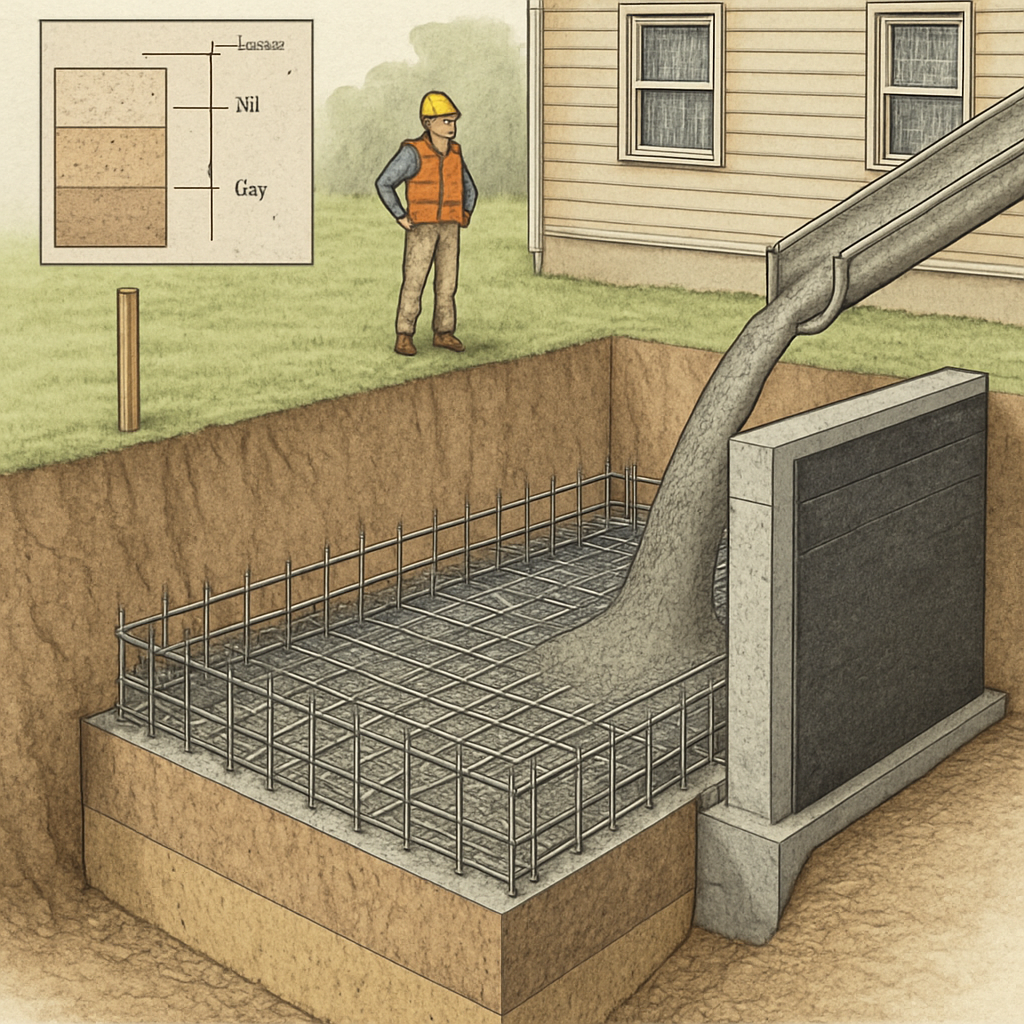
The strength of a foundation lies not just in its materials, but in the meticulous execution of its construction. Building an indestructible foundation follows a precise blueprint of best practices.
- Excavation and Formwork: Trenches are dug below the frost line onto undisturbed soil. Wooden or metal forms are then erected to create the precise mold for the concrete footings and walls.
- Reinforcement (Rebar): Steel reinforcement bars (rebar) are placed within the forms. Rebar is essential because while concrete has immense compressive strength (resisting crushing), it has poor tensile strength (resisting pulling apart). Rebar provides this tensile strength, preventing cracks from spreading and turning into structural failures.
- Waterproofing and Drainage: Before pouring, a waterproof membrane is often applied to the exterior of the foundation walls, and a drainage system (like a French drain) is installed at the base. This is a critical, proactive step to prevent water pressure and moisture intrusion, a primary cause of standard material degradation.
- The Pour: As recommended by concrete authorities like UltraTech Cement, concrete should be poured in continuous “lifts” of 18-24 inches to prevent seams that can become weak points.[4] The correct water-to-cement ratio is crucial for achieving the designed strength.
- Curing: This is perhaps the most overlooked yet vital step. Curing is not simply “drying.” It is a chemical process called hydration where the concrete gains its strength. The foundation must be kept moist for a minimum of 7 days to cure properly, often by applying water or covering it with damp blankets.[4] Rushing this process will permanently weaken the foundation.
Glossary of Key Terms:
- Formwork: The temporary mold that holds the wet concrete in shape as it cures.
- Frost Line: The depth to which the ground freezes in a given climate. Footings must be placed below this line.
- Tamping Rod: A tool used to compact concrete after it’s poured, removing air pockets to ensure maximum density and strength.
Beyond the Foundation: A Guide to Premium Architectural Materials
With an indestructible foundation in place, the focus shifts to the rest of the home’s structure and finishes. The selection of premium architectural materials is where high-end durable construction becomes visible, blending aesthetic beauty with long-term performance. This process involves a careful balance of cost, durability, and style. As luxury builders from Gate Beautiful Construction emphasize, the goal is to choose materials that not only look stunning on day one but also age gracefully, require minimal maintenance, and contribute to the home’s lasting value.[3]
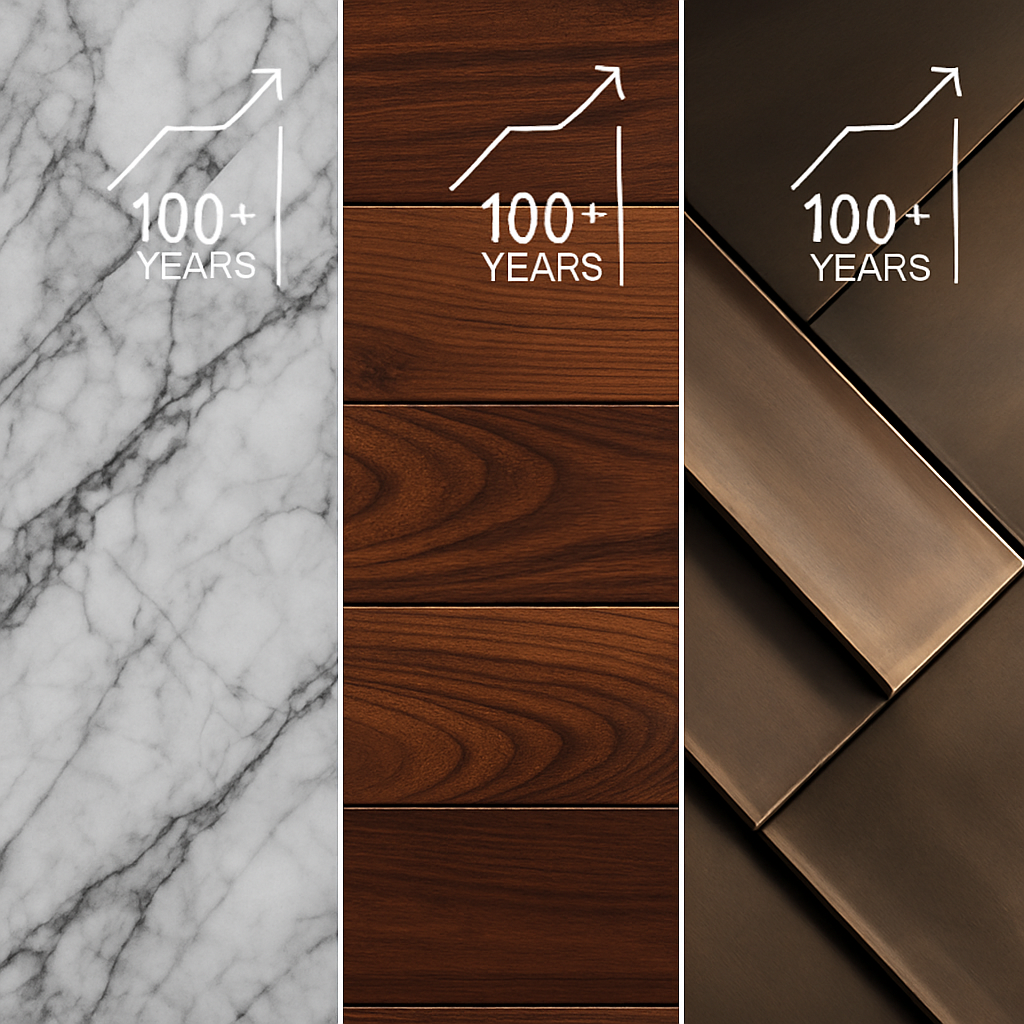
A visual gallery of premium materials in real-world settings often provides the best inspiration, showcasing how natural stone can ground a modern design, how exotic hardwoods can add warmth and character, or how architectural metals can provide clean, enduring lines.
The Economics of Elegance: Calculating the True ROI of Luxury Materials
The high upfront cost of premium materials can be intimidating, but it’s crucial to analyze them through the lens of long-term value and return on investment (ROI). This is the difference between an expense and an investment.
High-end builders provide valuable data on this front. For example, premium materials can range from $50 to over $500 per square foot, and often require long lead times of 12-20 weeks for sourcing and delivery.[3] However, the investment pays dividends over the life of the home. Consider these key statistics:
- Flooring: Investing in natural hardwood flooring can increase a home’s value by up to 5%. While the initial cost is higher than laminate or carpet, its lifespan can exceed 100 years with proper care.
- Roofing: A standard asphalt shingle roof may last 20-25 years. In contrast, premium metal roofing offers a lifespan of 40-70 years, providing superior protection and eliminating the cost and hassle of a mid-life replacement.
- Siding: Natural stone or high-quality brick has a lifespan of over 100 years, offering unparalleled durability and eliminating the recurring costs of repainting or replacing wood or vinyl siding.
The true cost of a material is its initial price plus its lifetime maintenance and replacement costs. When viewed this way, premium materials often prove to be the more financially prudent choice over the long term.
A Curated Palette: Natural Stone, Exotic Woods, and Architectural Metals
Diving into specific premium materials reveals a world of options, each with unique properties and applications.
- Natural and Engineered Stone: Natural stone like granite and marble offers one-of-a-kind beauty and exceptional durability, but requires sealing to prevent stains. Engineered stone (quartz) provides a non-porous, highly consistent alternative that is virtually maintenance-free, though it may lack the unique veining of its natural counterpart.
- Exotic Hardwoods: Woods like Ipe, Teak, and Mahogany are prized for their dense grain and natural resistance to rot and insects, making them ideal for decking, siding, and statement interior features. Their rich color and texture add a layer of organic warmth that is difficult to replicate.
- Architectural Metals: Bronze, stainless steel, and zinc are increasingly used for roofing, window frames, and accents. They offer incredible longevity and develop a unique patina over time that adds character. Their resistance to fire and pests is a significant advantage.
A critical, often overlooked factor is that these materials demand specialized installation. The most durable stone can fail if not properly set, and the most beautiful hardwood can warp if not installed by a master carpenter. Budgeting for top-tier craftsmanship is as important as budgeting for the material itself. When vetting suppliers, always ask for proof of authenticity, grading certificates, and warranty information to ensure you are receiving a genuine, high-quality product.
The Future is Green: Sustainable Luxury and Eco-Friendly Durability
The definition of a “premium” material is evolving to include sustainability as a key attribute. Discerning homeowners increasingly ask: are sustainable luxury materials worth the extra cost? The answer is often yes, as they align a home’s value with environmental responsibility.
Green building organizations like Construction21.org highlight a range of eco-friendly yet durable options.[5] This includes reclaimed wood from old structures, which offers unparalleled character and a positive environmental story. It also includes locally sourced stone, which reduces the carbon footprint associated with transporting heavy materials across the globe (e.g., local granite vs. imported Italian marble).
Furthermore, the cutting edge of material science is producing innovative materials that merge luxury with sustainability. Self-healing concrete, which can repair its own cracks, and translucent wood, which offers the beauty of wood with the light-passing qualities of glass, are examples of how the future of high-end construction is becoming both smarter and greener.
The Homeowner’s Shield: Identifying and Preventing Structural Failure
Building a durable home is the first step; protecting that investment for a lifetime is the next. Long-term ownership requires vigilance and an understanding of the warning signs of potential structural integrity issues. Empowering yourself with this knowledge is the best way to prevent small problems from becoming catastrophic failures.
Structural engineering firms like Golden State Design & Engineering report that the most common issues they encounter often start as subtle signs that homeowners overlook.[6] The key is to be proactive. While some issues require immediate professional intervention, knowing when to call a structural engineer is a critical skill. You should seek an expert opinion immediately if you notice sudden, significant changes, such as a crack that expands rapidly or a door that suddenly becomes impossible to close.
Your Diagnostic Checklist: Spotting Structural Issues Before They Escalate
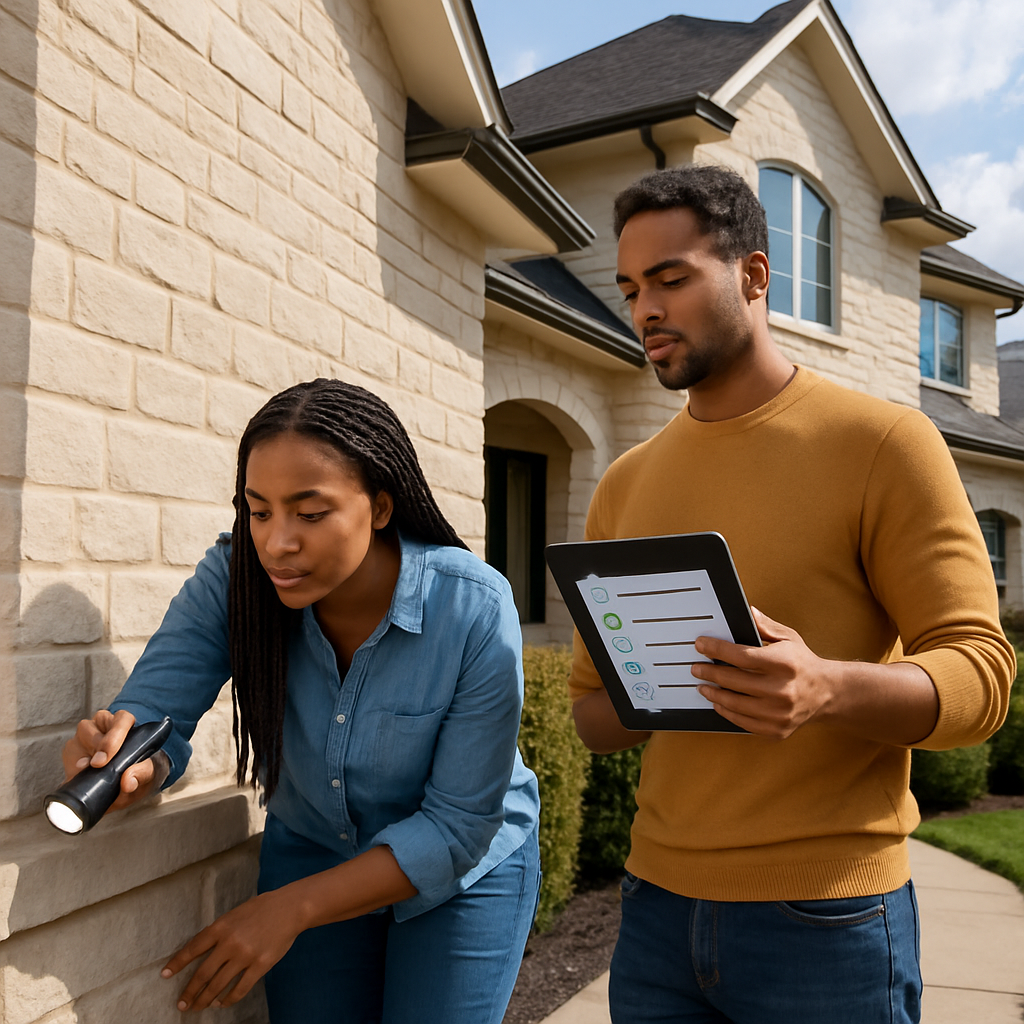
Use this checklist to regularly assess the health of your home. For clarity, consider creating a short video on your smartphone to demonstrate simple tests, like using a level on a floor or checking if a door is “out of square” by seeing if the gap around it is even.
Exterior Warning Signs:
- Foundation Cracks: Are there horizontal cracks in the concrete foundation? Are there “stair-step” cracks in brickwork? (Hairline vertical cracks are often due to normal settling, but wide or horizontal cracks are a major red flag).
- Bowed or Leaning Walls: Do basement or retaining walls appear to be bulging inward?
- Gaps Around Windows/Doors: Is there a visible separation between window frames and the exterior wall material (brick, siding)?
- Leaning Chimney: Does the chimney appear to be tilting or separating from the house?
Interior Warning Signs:
- Sticking Doors and Windows: Are doors or windows suddenly difficult to open or close, or do they not latch properly?
- Cracks in Drywall: Are there cracks appearing over doorways, windows, or where walls meet ceilings? (Diagonal cracks are more concerning than straight vertical ones).
- Uneven or Sloping Floors: Does the floor feel bouncy, or do objects roll on their own?
- Nail Pops: Are nail heads beginning to pop out of the drywall?
By categorizing these signs and performing regular checks, you can create an invaluable record and spot developing problems before they escalate.
The Science of Decay: Why Standard Materials Degrade Over Time
All materials break down over time; the key to durability is choosing materials that degrade at the slowest possible rate. This process, known as material degradation, is a scientific reality driven by environmental factors. Leading scientific resources like ScienceDirect explain that the primary causes are exposure to heat, moisture, chemicals, and ultraviolet (UV) light.[7]
- Physical Degradation: This involves processes like thermal expansion and contraction. As materials heat and cool, they change size. Over thousands of cycles, this can cause fatigue, embrittlement, and cracking, particularly in materials like concrete and metal.
- Chemical Degradation: This is caused by chemical reactions. The most common example is rust (oxidation) on unprotected steel. Another is the effect of moisture and acid rain on stone or the breakdown of polymer chains in plastics and vinyl siding from constant UV radiation.
Research from institutions like the Pacific Northwest National Laboratory (PNNL) shows that understanding these mechanisms is critical for preventing failure in everything from bridges to buildings.[8] For a homeowner, this science translates into practical action: ensuring proper drainage prevents moisture from causing chemical reactions in the foundation, and using UV-resistant paints protects wood from physical and chemical breakdown.
Proactive Preservation: A Maintenance Plan for Generational Durability
Preventative maintenance is the most effective strategy for slowing material degradation and ensuring your home’s longevity. This goes beyond simple cleaning and involves a proactive schedule of inspection and care. Insights from foundation repair specialists like Allstar Basements consistently show that minor, proactive measures can prevent major, expensive repairs down the line.[9]
A seasonal maintenance schedule is an excellent tool for this:
Spring:
- Clean gutters and downspouts to ensure water is directed away from the foundation.
- Inspect roofing for any damage from winter storms.
- Check for and seal any cracks in driveways or walkways to prevent water from seeping underneath and affecting the foundation.
Summer:
- Inspect wood decks, siding, and trim for signs of rot or insect damage; re-seal or repaint as needed for UV protection.
- Check for proper grading around the foundation, ensuring the soil slopes away from the house.
Fall:
- Re-clean gutters after leaves have fallen.
- Inspect and service HVAC systems to ensure internal systems are running efficiently and not causing moisture issues.
- Check weatherstripping on doors and windows to prevent moisture intrusion.
Winter:
- Monitor for ice dams on the roof, which can cause significant water damage.
- Check the basement or crawl space for any signs of leaks or increased humidity.
This proactive approach transforms homeownership from a reactive chore into a strategic act of preservation.
Expert Q&A: Your Top Durability Questions Answered
This section directly answers some of the most common questions that arise when planning for a durable, high-end home.
On Construction & Materials:
How far in advance should luxury materials be ordered?
A structural expert would advise planning for significant lead times. For premium materials like custom-milled hardwoods or imported natural stone, you should expect a lead time of 12 to 20 weeks or more. This needs to be factored into your construction timeline from the very beginning to avoid costly delays.
How does climate affect material choices?
Climate is a critical factor. In coastal areas with salt spray, corrosion-resistant materials like stainless steel, bronze, or specially treated wood are essential. In regions with high humidity, materials must be resistant to mold and rot. In areas with extreme temperature swings, materials must be able to handle thermal expansion and contraction without cracking.
What is the difference in value between natural and engineered stone?
Natural stone (marble, granite) is valued for its unique, one-of-a-kind beauty and generally adds more to a home’s resale value due to its perceived luxury. Engineered stone (quartz) is valued for its superior performance—it’s non-porous, scratch-resistant, and requires no maintenance. The choice often comes down to aesthetics and lifestyle versus pure performance.
Are highly processed materials more durable?
Not necessarily. Durability depends on the specific material and process. For example, pressure-treating wood significantly increases its durability against rot and insects. However, some natural materials like dense hardwoods or stone are inherently more durable than many highly processed composites. The key is the quality of the raw material and the manufacturing process.
On Foundations & Repairs:
What are advanced foundation repair techniques like underpinning?
Underpinning is a technique used to strengthen or deepen an existing foundation that is failing. As explained by specialists at Permanent Foundation Solutions, this involves excavating sections beneath the foundation and pouring new concrete footings or driving steel “push piers” deep into the ground until they reach stable, load-bearing soil.[10] This effectively transfers the weight of the house onto a new, more stable base.
Can a manufactured home be placed on a permanent foundation?
Yes. A manufactured home can and often must be placed on a permanent, site-built foundation to meet local building codes and qualify for traditional mortgage financing. This process involves creating a foundation (such as a concrete slab or crawl space) that meets HUD’s stringent requirements for durability and anchoring.
What is the role of craftsmanship in long-term durability?
Craftsmanship is just as important as material quality. Even the best materials will fail if installed incorrectly. Proper installation ensures that components are correctly joined, sealed, and supported, preventing weak points that can lead to moisture intrusion, structural stress, and premature failure. Investing in highly skilled, reputable contractors is one of the best ways to guarantee long-term durability.
Conclusion
An ‘Adamantine’ home is more than a structure; it is a legacy. It is the embodiment of true, lasting luxury, built from the ground up with an unwavering focus on durability, quality, and permanence. We’ve journeyed from the bedrock science of an indestructible foundation to the economic wisdom of selecting premium materials, revealing that the most important features of a home are often the ones you cannot see.
By understanding the critical connection between material science, expert construction practices, and long-term financial value, you are no longer just a homeowner; you are an educated steward of your investment. You are empowered to ask the right questions, make confident decisions, and partner with professionals to create a home that provides not just shelter, but a profound and lasting sense of security.
Ready to build your legacy? Download our complete ‘Homeowner’s Durability Checklist’ to start your journey toward an indestructible home, and consult with a certified structural engineer to turn your vision into a permanent reality.
This article provides general informational guidance and should not be considered a substitute for professional advice from a certified structural engineer, architect, or licensed contractor. Building codes and material specifications vary by location; always consult local regulations.
References and Authoritative Sources
- U.S. Department of Housing and Urban Development (HUD User). (N.D.). Permanent Foundations Guide for Manufactured Housing. Retrieved from https://www.huduser.gov/portal/Publications/PDF/foundations_guide.pdf
- Kenwood Builders. (N.D.). How to Choose the Best Materials for Your Luxury Build. Retrieved from https://kenwoodbuilders.com/how-to-choose-the-best-materials-for-your-luxury-build/
- Gate Beautiful Construction. (2025). Best Luxury Building Materials: Quick Comparison Guide for 2025. Retrieved from https://gatebc.com/best-luxury-building-materials-quick-comparison-guide-for-2025/
- UltraTech Cement. (N.D.). Building Foundations for a House. Retrieved from https://www.ultratechcement.com/for-homebuilders/home-building-explained-single/descriptive-articles/building-foundations-for-a-house
- Construction21.org. (N.D.). What are the most durable yet environmentally friendly foundation materials?. Retrieved from https://www.construction21.org/articles/h/what-are-the-most-durable-yet-environmentally-friendly-foundation-materials.html
- Golden State Design & Engineering. (N.D.). Structural Issues. Retrieved from https://goldenstatede.com/structural-issues/
- ScienceDirect. (N.D.). Materials Degradation. Retrieved from https://www.sciencedirect.com/topics/materials-science/materials-degradation
- Pacific Northwest National Laboratory (PNNL). (2013). Materials Degradation and Aging in the Nuclear Power Industry. Retrieved from https://www.pnnl.gov/main/publications/external/technical_reports/pnnl-22309.pdf
- Allstar Basements. (N.D.). Advanced Foundation Repair Techniques for Professionals. Retrieved from https://allstarbasements.com/advanced-foundation-repair-techniques-for-professionals/
- Permanent Foundation Solutions. (N.D.). Underpinning. Retrieved from https://www.pfsrepair.com/
