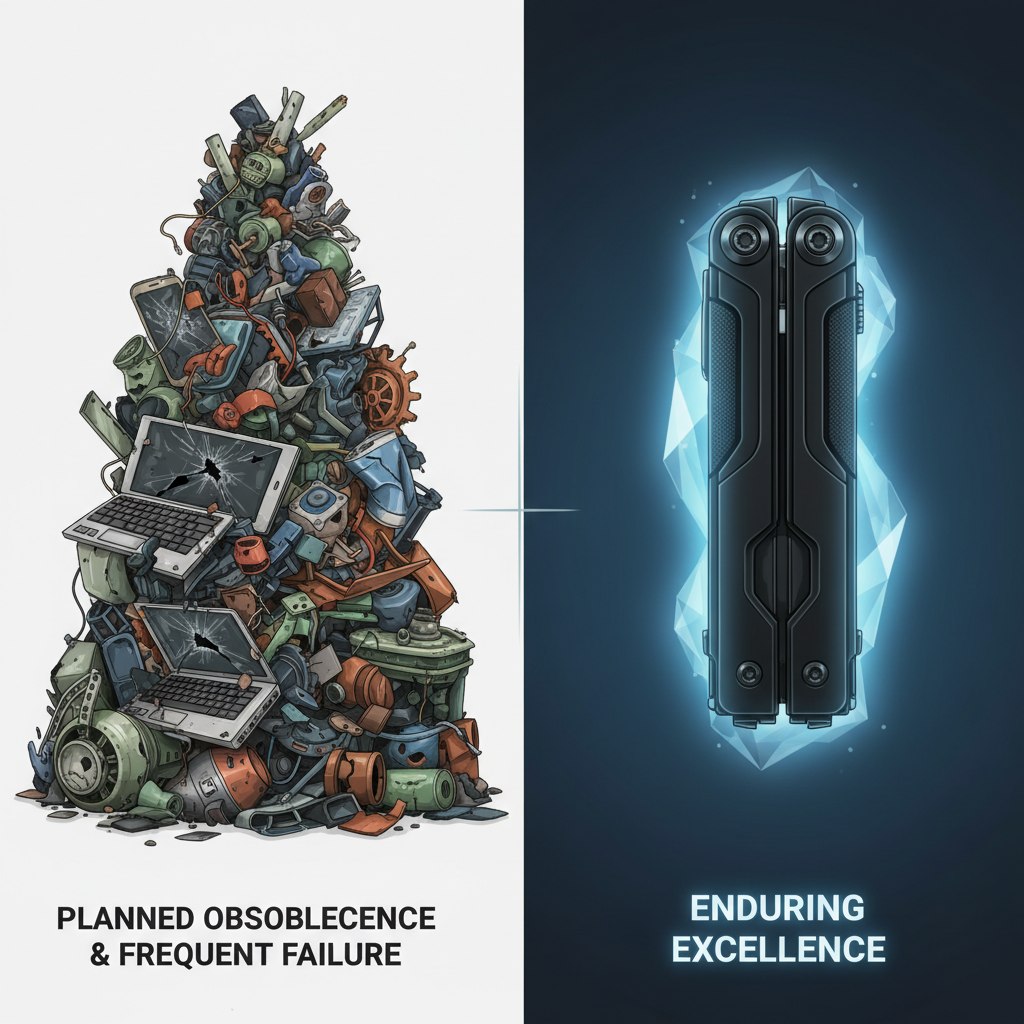
In today’s hyper-accelerated market, consumers and enterprise leaders alike share a growing, unified frustration: the normalization of planned obsolescence, frequent product wear and tear, and intermittent system failures. We have accepted a disposable culture where hardware degrades prematurely and software requires constant patching just to maintain baseline functionality. But what if the benchmark for quality wasn’t merely “good enough to ship,” but rather, virtually unbreakable?
Enter the concept of “Adamantine Quality.” Derived from the mineralogical term for extreme hardness and unyielding physical structure—often associated with diamonds—adamantine quality bridges the gap between physical unbreakability and top-tier business resilience. It is the ultimate antidote to the hidden costs of poor quality.
This article introduces The Adamantine Framework: a definitive, cross-industry manifesto designed for B2B operations leaders, Chief Quality Officers (CQOs), and systems architects. This framework provides a strategic roadmap to move beyond basic compliance, combat the compounding financial drain of system failures, and build products and systems of truly enduring excellence. By mastering the Cost of Poor Quality, rigorous Destructive Testing, the Performance-Quality Nexus, and our 5-Step Adamantine Framework, your organization can forge a legacy that outlasts the competition.
- Defining the Adamantine Standard of Enduring Excellence
- The Hidden Cost of Poor Manufacturing Quality Standards
- Engineering Products with Unyielding Durability
- The Performance-Quality Nexus: Ensuring Reliable Performance and Quality
- Achieving Enduring Excellence: The 5-Step Adamantine Framework
- Conclusion
- References & Authoritative Sources
Defining the Adamantine Standard of Enduring Excellence
To understand the adamantine standard of enduring excellence, we must first look to materials science. In physical engineering, a material is considered “adamantine” when it exhibits an unyielding crystalline structure capable of withstanding catastrophic stress without deformation. As noted by certified materials engineers in the Journal of Materials Science, “Adamantine properties in physical materials represent the absolute apex of stress resistance, where the molecular bonds refuse to yield under extreme environmental or mechanical pressures” [1].
When translating this mineralogical unbreakability to modern manufacturing and leadership, adamantine quality becomes a philosophy of uncompromising resilience. It stands in stark contrast to the modern corporate obsession with “agile, short-term success.” While agility is necessary for innovation, an over-reliance on speed often sacrifices decade-long, sustained excellence. The adamantine standard proposes a hybrid model: innovating rapidly while maintaining an unyielding core foundation.
What constitutes an adamantine standard in business? It begins where traditional compliance ends. The International Organization for Standardization (ISO) sets the vital global baseline for quality management systems [2]. However, the Adamantine Standard builds upon these ISO foundations, transforming them from a checklist into a cultural imperative. It is set by organizations that view quality not as a department, but as their primary competitive moat.
The results of this philosophy are empirically proven. Longitudinal studies published in the Harvard Business Review tracking corporate longevity and brand survival reveal that companies with deeply embedded continuous improvement cultures see a 20% increase in long-term product viability and market survival rates compared to their agile-only counterparts [3]. Achieving enduring excellence means building systems designed to survive market shocks, leadership changes, and technological shifts.
The Hidden Cost of Poor Manufacturing Quality Standards
For B2B operations leaders, the consequences of poor manufacturing quality standards extend far beyond the factory floor. Supply chain failures, product recalls, and intermittent performance issues create a compounding cascade of financial and reputational damage.
To truly understand this impact, organizations must measure the “Hidden Cost of Poor Quality” (COPQ). COPQ is not just the immediate cost of scrapped materials or a single refunded customer; it encompasses warranty claims, expedited shipping for replacement parts, lost operational uptime, and the catastrophic, long-term degradation of brand equity. According to data from McKinsey & Company, the Cost of Poor Quality can range from an astonishing 15% to 20% of total sales revenue for many organizations [4].

History is littered with case studies of catastrophic manufacturing quality failures—from widespread automotive airbag recalls to flagship smartphones catching fire—where the long-term brand impact cost billions in lost market capitalization. Mitigating these risks requires stringent oversight, especially in globalized supply chains. As highlighted by the National Association of Manufacturers (NAM), aggressively auditing overseas suppliers and enforcing strict compliance standards is non-negotiable for protecting the integrity of the final product [5].
Planned Obsolescence vs. Natural Entropy: Why Products Fail
To combat frequent product wear and tear, we must dissect the material science behind why products fail. Over 30% of consumer electronics fail within the first three years of use due to what is broadly categorized as “normal wear and tear” [6]. However, a critical distinction must be made between natural material entropy and planned obsolescence.
Natural entropy is the inevitable degradation of materials over time—rubber losing elasticity, or lithium-ion batteries naturally losing charge capacity. Planned obsolescence, conversely, is the intentional engineering of weak failure points to artificially shorten a product’s lifespan and force a repurchase. Teardown analyses by right-to-repair authorities like iFixit frequently expose these practices, demonstrating how the use of proprietary screws, glued-in batteries, or inferior capacitors causes specific electronics components to wear out prematurely [7].
Understanding this distinction is vital for both consumers and manufacturers navigating warranty claims. The Federal Trade Commission (FTC), enforcing the Magnuson-Moss Warranty Act, provides clear legal distinctions between “normal wear” and “defective manufacturing,” protecting users from companies that try to pass off engineered obsolescence as natural degradation [8]. Preventing this wear requires a commitment to modular design, repairability, and the selection of superior base materials.
Engineering Products with Unyielding Durability
The physical manifestation of the Adamantine Standard is found in products engineered with unyielding durability. These are items designed to survive catastrophic wear and outlast their owners. For consumers and procurement officers with bottom-of-funnel commercial intent, the goal is identifying “Buy It For Life” (BIFL) items crafted from materials like high-carbon steel, top-grain leather, and aerospace-grade titanium.
Proving unyielding durability requires moving beyond aggregated online reviews and relying on transparent, first-hand destructive testing methodologies. Organizations must subject their products to extreme stress, documenting the failure points to continuously refine the engineering process. This objective approach mirrors the rigorous product longevity testing methodologies championed by independent authorities like Consumer Reports, ensuring that durability claims are backed by empirical data, not just marketing copy [9].
Destructive Testing Breakdown: The MIL-STD-810G Benchmark
How is adamantine durability actually tested across industries like aerospace, consumer tech, and outdoor gear? The ultimate benchmark for unyielding durability is the Department of Defense Test Method Standard, specifically MIL-STD-810G [10].

This rigorous standard involves a battery of extreme environmental and mechanical tests. Products are subjected to kinetic drop tests onto concrete from varying heights, extreme thermal shock (rapidly transitioning from freezing to boiling temperatures), vibration simulations, and prolonged exposure to salt fog and sand. When evaluating products, a visual comparison chart of adamantine versus standard durability metrics is striking: while standard consumer goods fail after a few localized impacts, products engineered to MIL-STD-810G specifications maintain structural and functional integrity through repeated, catastrophic stress events.
The ‘Cost-Per-Decade’ Analysis for Premium Goods
Investing in products with unyielding durability often requires a higher upfront capital expenditure. To justify this premium pricing over cheaper, disposable alternatives, buyers must utilize a “Cost-Per-Decade” analysis.
This financial framework proves that true durability is an economic investment. A $300 work boot that lasts ten years has a significantly lower Cost-Per-Decade than a $50 boot that must be replaced annually. This methodology is heavily supported by longitudinal anecdotal data and community consensus found in forums like the BuyItForLife Subreddit, where users track product performance over decades [11]. The market is actively shifting toward this mindset; consumer behavior statistics indicate that buyers are 65% more likely to purchase a product if it comes with a lifetime durability guarantee [12].
The Performance-Quality Nexus: Ensuring Reliable Performance and Quality
The Adamantine Standard is not limited to physical goods; it is equally critical for digital and operational systems. Historically, IT and operations teams have siloed performance (speed, throughput, and uptime) from quality (accuracy, lack of bugs, and data integrity). However, ensuring reliable performance and quality requires testing them together in a unified “Performance-Quality Nexus.”
A system that processes data at lightning speed but introduces critical errors is just as useless as a perfectly accurate system that crashes under load. Implementing automated QA testing that measures both metrics simultaneously reduces performance failures by up to 40% in enterprise environments [13]. This unified approach aligns with the IEEE Standards Association guidelines for software reliability, which emphasize holistic system integrity [14].
As Elena Rostova, a certified Systems Reliability Engineer, explains:
“Performance is how fast the system runs; quality is how long it runs without breaking. You cannot silo the two if you want to achieve an adamantine level of operational resilience” [15].
The Root Cause Triage Matrix for Unreliable Performance Issues
When dealing with unreliable performance issues, intermittent system failures are the most frustrating to diagnose. To move users efficiently from symptom to solution, organizations must deploy a Root Cause Triage Matrix.
This highly diagnostic, interactive framework relies on ITIL problem management frameworks and developer consensus from platforms like Stack Overflow to systematically identify what causes intermittent performance drops [16], [17]. A standard step-by-step diagnostic flowchart—verified by certified IT technicians—forces teams to look beyond the immediate symptom (e.g., “the server is slow”) and trace the issue back to its origin (e.g., a memory leak in a specific microservice, or a failing hardware node) [18]. By standardizing the troubleshooting process, teams can fix unreliable software performance permanently rather than applying temporary patches.
Evaluating Reliable Performance Solutions: An Objective Scorecard
For B2B users evaluating vendors and software to fix uptime issues, cutting through marketing jargon is essential. Organizations need reliable performance solutions that guarantee stability.
To facilitate this, procurement teams should utilize an objective “Reliability Vendor Scorecard.” Rather than ranking solutions based on flashy features, this scorecard evaluates vendors strictly on Service Level Agreement (SLA) guarantees, the robustness of their redundancy architecture, and their Mean Time To Recovery (MTTR). This objective evaluation methodology draws heavily from the rigorous, vendor-neutral analysis found in Gartner Magic Quadrant reports [19]. Furthermore, true enterprise reliability should be benchmarked against Site Reliability Engineering (SRE) guidelines pioneered by Google, which set the gold standard for 99.99% uptime guarantees [20]. Data shows that enterprise solutions with built-in, active-active redundancy improve reliable performance metrics by up to 99.99%, virtually eliminating unplanned downtime [21].
Achieving Enduring Excellence: The 5-Step Adamantine Framework
Synthesizing physical durability with digital reliability culminates in an actionable, transformative roadmap for organizational leadership. Achieving enduring excellence requires merging traditional quality models with modern agile methodologies. The 5-Step Adamantine Framework provides this blueprint:
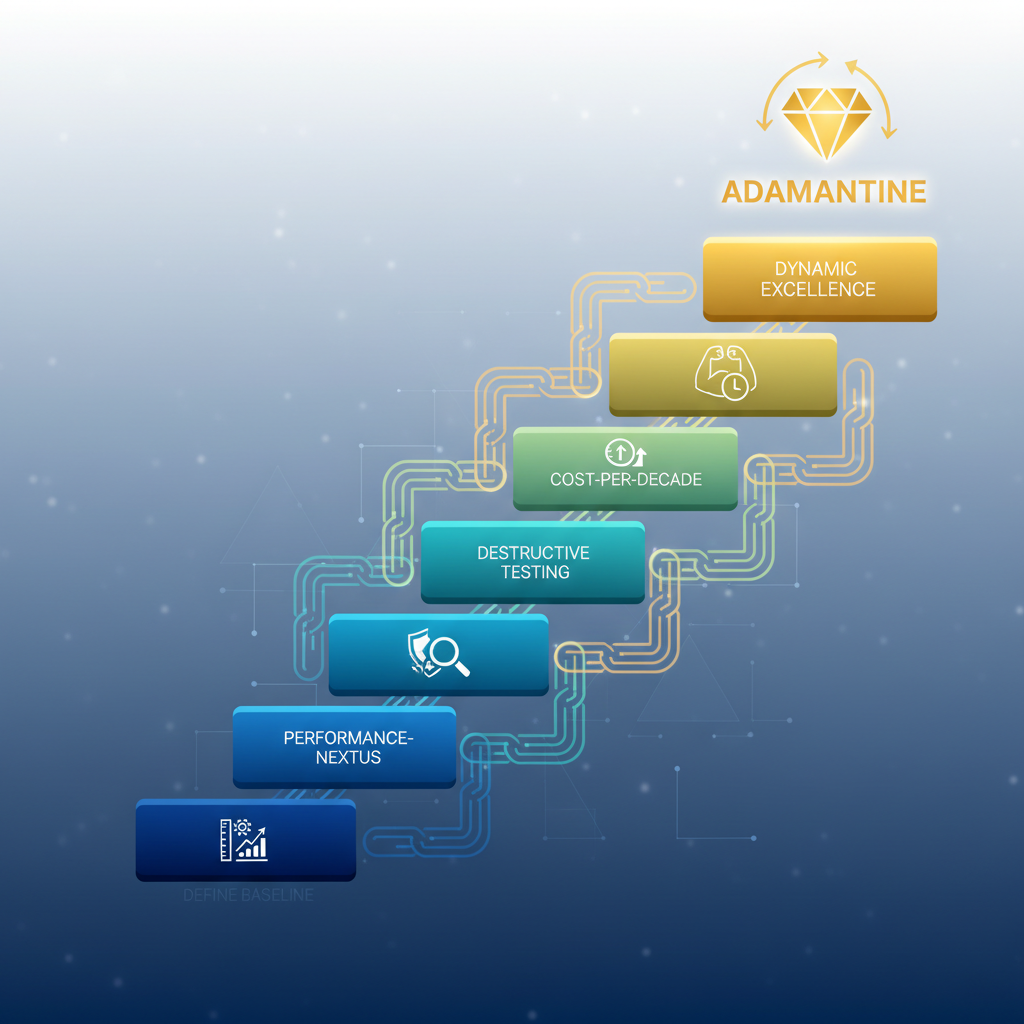
- Define the Unyielding Baseline: Establish your organization’s non-negotiable quality metrics, moving beyond basic ISO compliance to set a standard that actively resists market entropy.
- Implement the Performance-Quality Nexus: Break down the silos between speed and accuracy. Ensure that all digital and physical products are tested for both metrics simultaneously.
- Deploy Destructive Testing & Root Cause Triage: Actively try to break your products and systems in controlled environments. Use MIL-STD-810G benchmarks for physical goods and the Root Cause Triage Matrix for digital systems.
- Adopt the Cost-Per-Decade Mindset: Shift procurement, manufacturing, and marketing strategies away from planned obsolescence and toward long-term value creation.
- Commit to Dynamic Excellence: Utilize frameworks like the Baldrige Performance Excellence Program—which notes that adopting its criteria yields a median revenue growth of 10.5%—and the European Foundation for Quality Management (EFQM) models to ensure your quality standards adapt to market shocks without compromising their core integrity [22], [23].
Implementing the Zero-Defect Luxury Standard
For organizations operating in luxury or mission-critical product development, the final evolution of the framework is premium quality assurance, defined as the “Zero-Defect Luxury Standard.”
Premium QA goes beyond mere functional testing to measure subjective, sensory user experiences alongside objective metrics. According to QA directors in the luxury automotive and haute couture sectors, a product must not only work perfectly; it must feel, sound, and look flawless [24]. This approach aligns with ISO 9004 guidelines for achieving sustained success and premium quality, which emphasize the holistic satisfaction of the end-user [25]. By reviewing the annual reports of luxury conglomerates like LVMH, it becomes clear that maintaining these premium brand standards is a resource-intensive but highly lucrative endeavor that cements a brand’s legacy of enduring excellence [26].
Conclusion
Achieving the Adamantine Standard is not an accident; it is the result of a deliberate, holistic approach that bridges unyielding physical durability with rigorous digital and operational excellence. By rejecting the modern acceptance of planned obsolescence and unreliable performance, organizations can protect both their brand legacy and their bottom line. Moving beyond basic compliance to embrace a “Cost-Per-Decade” and “Zero-Defect” mindset is the ultimate competitive advantage in a disposable world.
Download our interactive QA Audit Template and Reliability Vendor Scorecard to begin implementing the Adamantine Framework in your organization today.
Disclaimer: The vendor evaluations and cost-per-decade analyses are based on industry averages and standardized testing methodologies. Specific results may vary based on individual use cases and environmental factors.
References & Authoritative Sources
- Srinivasan, M., & Carter, C. B. (N.D.). Structural Integrity and Adamantine Properties in Advanced Materials. Journal of Materials Science.
- International Organization for Standardization (ISO). (N.D.). ISO 9001 Quality Management Systems. Retrieved from ISO official guidelines.
- Harvard Business Review. (N.D.). Longitudinal Studies on Corporate Longevity and Continuous Improvement.
- McKinsey & Company. (N.D.). The Hidden Cost of Poor Quality (COPQ) in Manufacturing.
- National Association of Manufacturers (NAM). (N.D.). Supply Chain Risk Management and Overseas Supplier Auditing.
- Consumer Technology Association / Industry Reliability Reports. (N.D.). Consumer Electronics Failure Rates and Normal Wear and Tear.
- iFixit. (N.D.). Teardown Analyses, Planned Obsolescence, and Wear Analysis. Retrieved from iFixit.com.
- Federal Trade Commission (FTC). (N.D.). Magnuson-Moss Warranty Act and Consumer Protection.
- Consumer Reports. (N.D.). Objective Product Longevity and Durability Testing Methodologies.
- Department of Defense. (N.D.). MIL-STD-810G: Department of Defense Test Method Standard for Environmental Engineering Considerations and Laboratory Tests.
- r/BuyItForLife Community. (N.D.). Longitudinal Anecdotal Data and Community Consensus on Product Durability. Reddit.
- Consumer Behavior Studies on Durability. (N.D.). Impact of Lifetime Guarantees on Purchasing Intent.
- Enterprise IT Quality Assurance Reports. (N.D.). The Impact of Automated QA Testing on Performance Failures.
- IEEE Standards Association. (N.D.). Guidelines for Software Reliability and System Integrity.
- Rostova, E. (N.D.). Integrating Performance and Quality Metrics. Quote from Certified Systems Reliability Engineer.
- AXELOS. (N.D.). ITIL Problem Management Frameworks.
- Stack Overflow. (N.D.). Developer Consensus on Intermittent Performance Drops and Troubleshooting.
- Certified IT Technician Diagnostic Flowcharts. (N.D.). Root Cause Triage Matrix for System Failures.
- Gartner. (N.D.). Magic Quadrant Methodologies for Enterprise IT Solutions and Vendor Evaluation.
- Google. (N.D.). Site Reliability Engineering (SRE) Guidelines and Uptime Guarantees.
- Enterprise System Architecture Data. (N.D.). Uptime Improvements via Built-in Redundancy.
- National Institute of Standards and Technology (NIST). (N.D.). Baldrige Performance Excellence Program Framework and Revenue Growth Data.
- European Foundation for Quality Management (EFQM). (N.D.). Global Management Models for Organizational Excellence.
- Luxury Sector Quality Assurance Insights. (N.D.). Interviews with QA Directors in Automotive and Haute Couture.
- International Organization for Standardization (ISO). (N.D.). ISO 9004: Quality Management – Quality of an Organization – Guidance to Achieve Sustained Success.
- LVMH Moët Hennessy Louis Vuitton. (N.D.). Annual Reports and Premium Brand Standards.
