We live in an era increasingly defined by the frustration of the fragile. It is the cracked smartphone screen, the snapped gold chain, and the fast-fashion winter coat that pills and frays after a single season. Consumers are trapped in a costly, endless cycle of replacing short-lifespan goods, draining their wallets and damaging the planet. But there is a powerful antidote to this modern dilemma: the pursuit of “Adamantine Beauty.”
Adamantine beauty is not merely an aesthetic; it is a rigorous standard of unbreakable, enduring legacy. It represents a shift away from planned obsolescence and toward the acquisition of assets that outlast market volatility and generational turnover. This article serves as your data-driven blueprint for building a generational portfolio of unbreakable, timeless assets. In the following sections, we will journey from the objective material science of the Mohs hardness scale, through a practical, step-by-step Jewelry Audit Guide, and finally to the actionable formulas required to calculate the Generational ROI of true durable luxury investments.
- The ‘Adamantine’ Standard: Redefining Timeless Elegance Through Material Science
- The True Cost of Fragility vs. The Generational ROI of Luxury Durables
- The Anatomy of an Heirloom: A Consumer’s Jewelry Audit Guide
- Wearable Wealth: Investing in Unbreakable Luxury Goods
- The Patina Effect: Long-Lasting Elegant Materials for Home and Wardrobe
- Conclusion: Embracing the Adamantine Legacy
- References & Authoritative Sources
The ‘Adamantine’ Standard: Redefining Timeless Elegance Through Material Science
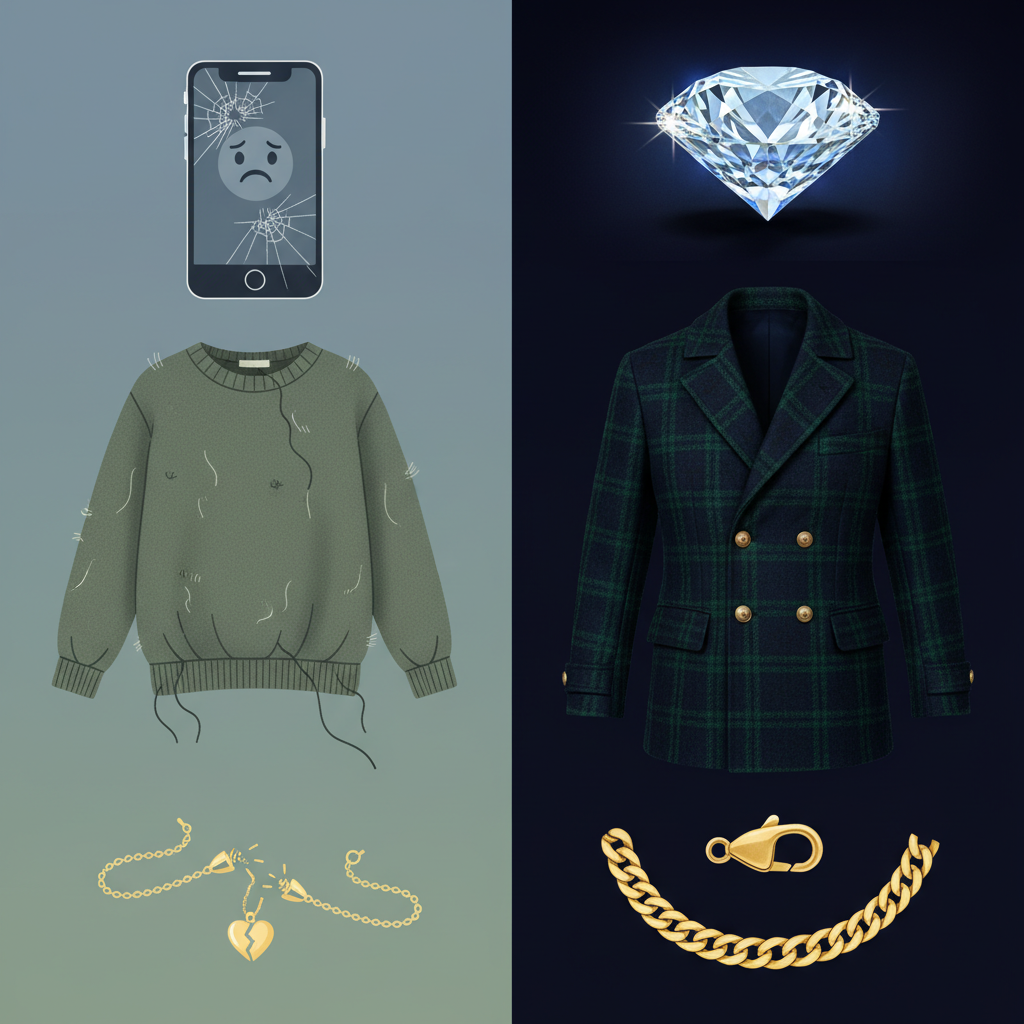
To understand the ‘adamantine’ standard, we must look beyond its traditional gemological roots. In the study of minerals, “adamantine” refers to the highest degree of luster, characteristic of a diamond’s brilliant light refraction. According to the Gemological Institute of America (GIA), adamantine luster represents the absolute pinnacle of visual brilliance and optical density [1]. However, in the context of modern wealth and lifestyle, adamantine beauty has evolved into a standard for unbreakable luxury.
True timeless elegance cannot exist without structural integrity. To bridge the gap between the scientific definition of durability and the emotional appeal of an enduring legacy, aesthetics must be backed by uncompromising material science. This is where objective measurements, such as the Mohs scale of mineral hardness, become essential [2]. On this scale, diamonds score a perfect 10, providing the ultimate scientific backing for “unbreakable” claims. By applying this adamantine standard—demanding that the things we buy possess both supreme visual splendor and quantifiable physical resilience—we redefine luxury not by a brand name, but by its capacity to survive.
The True Cost of Fragility vs. The Generational ROI of Luxury Durables
The modern economy is heavily reliant on short lifespan consumer goods, and the environmental and financial tolls of this planned obsolescence are staggering. The European Environment Agency (EEA) reports a sobering statistic: the premature disposal of consumer goods produces 261 million tonnes of CO2-equivalent emissions in the EU each year [3]. This culture of disposability is highly visible in our technology. Data from the Consumer Technology Association (CTA) notes that the average expected lifespan of a smartphone is merely 4.8 to 5 years, with even the most resilient consumer tech, televisions, capping out at 6.5 years [4].
Beyond the environmental impact, there is a severe financial penalty associated with fragile luxury items. Logistics and supply chain experts highlight that the hidden costs of transporting delicate goods are exorbitant. Shipping fragile items requires specialized, high-density EPS foam packaging, molded pulp, and anti-static materials, all of which drive up logistics costs and result in punishingly high insurance premiums [5]. The strategic solution to both the environmental and financial drain of fragility is to pivot your purchasing power toward luxury durables.
Calculating Generational ROI: Why ‘Buy It For Life’ Saves Money
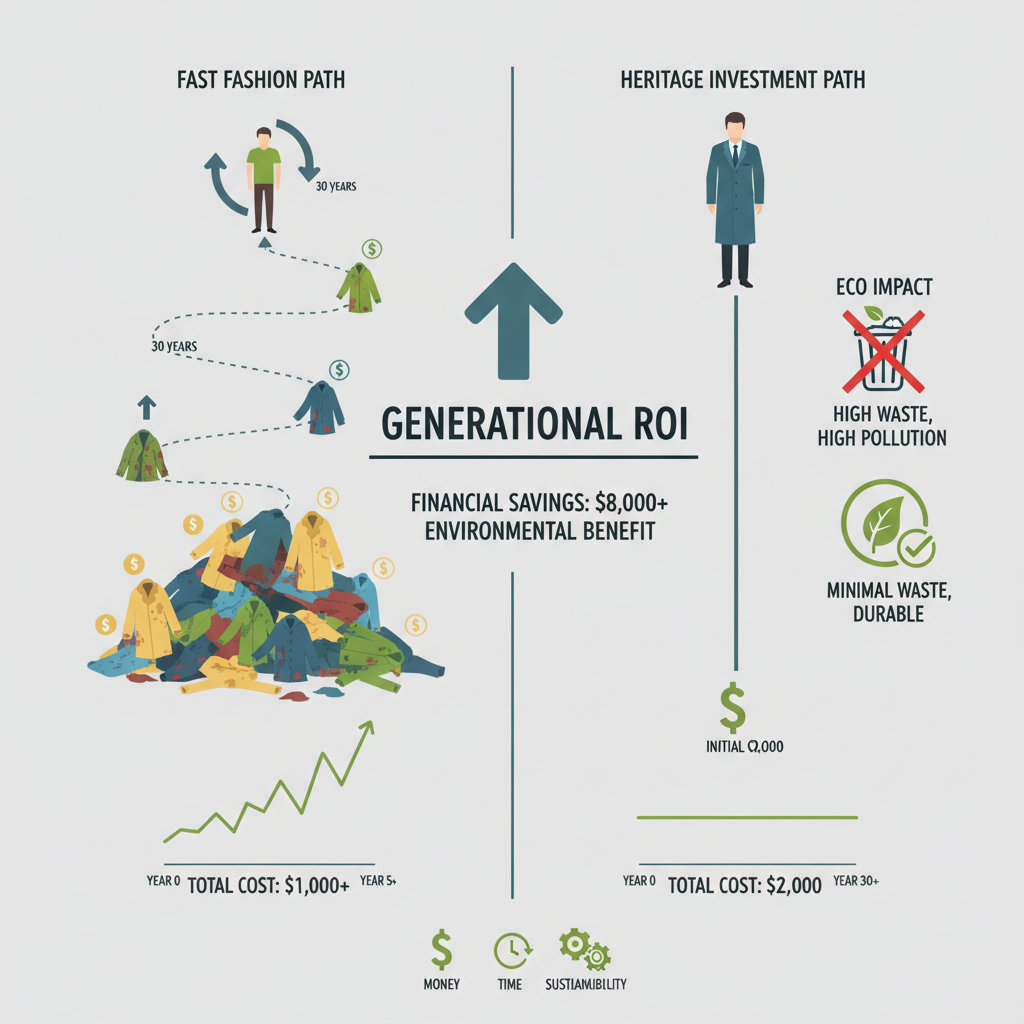
To financially justify the higher upfront premium of luxury durables, consumers must adopt frameworks like “Generational ROI” and “cost-per-wear.” A comparative cost-analysis clearly demonstrates how a “buy it for life” mentality prevents the cycle of constant replacement and saves thousands of dollars over a lifetime.
| Investment Metric | Fast-Fashion Synthetic Coat | Heritage Full-Grain Wool Coat |
|---|---|---|
| Upfront Cost | $150 | $1,200 |
| Expected Lifespan | 2 Years | 30+ Years |
| Replacements (30 Years) | 15 | 0 |
| Total 30-Year Financial Cost | $2,250 | $1,200 |
| Environmental Impact | 15 discarded garments | 1 sustainable, enduring garment |
| Generational ROI | -$1,050 (Financial Loss) | +$1,050 (Saved) & Retained Asset |
As the table illustrates, investing once in a durable luxury alternative not only halts the accumulation of environmental waste but yields a positive Generational ROI, transforming a routine purchase into a retained asset.
The Anatomy of an Heirloom: A Consumer’s Jewelry Audit Guide
One of the most common pain points for affluent consumers is jewelry that breaks easily. The heartbreak of losing a stone or snapping a chain is entirely preventable if you know what to look for. To ensure you are investing in adamantine jewelry for an enduring legacy, you must evaluate pieces through the lens of a bench jeweler.
Master bench jewelers frequently point out that most breakages stem from hidden structural weak points rather than daily wear and tear. Common culprits include microscopic casting air bubbles that compromise metal strength, hollow links that crush under minimal pressure, and the slow, grinding friction caused by wearing multiple chains layered together [6]. Furthermore, metal purity is a critical factor. While 24K gold is the purest form, it is inherently too soft for daily wear. The technical process of hallmarking, overseen by authorities like the Bureau of Indian Standards (BIS), ensures proper alloying. For unbreakable heirloom quality pieces, 18K gold (75% gold, 25% strengthening alloys) is structurally superior and the industry standard for durability [7].
Structural Engineering for Unbreakable Beauty
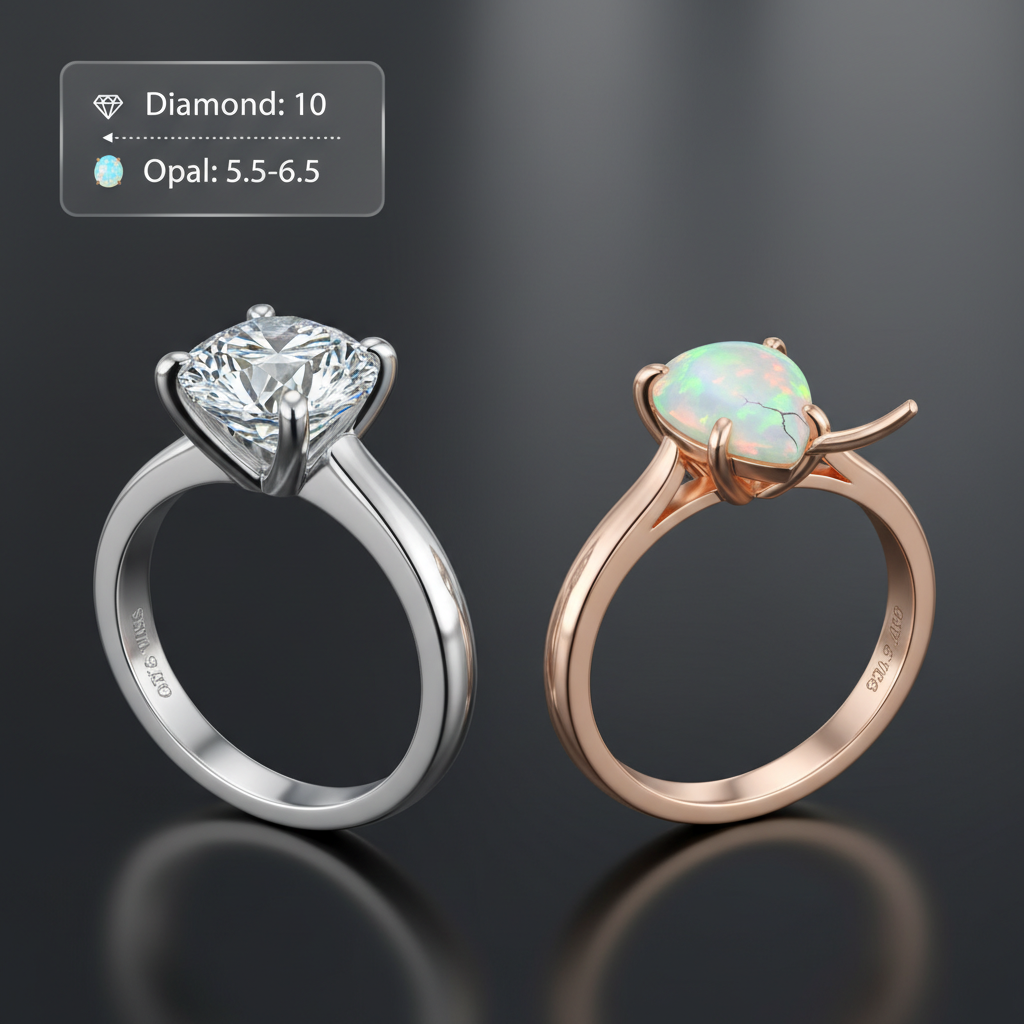
Unbreakable heirloom quality pieces are the result of deliberate structural engineering. When conducting a jewelry audit on a potential purchase, pay close attention to the stone settings. Compare bezel settings versus prong settings: a bezel setting, which encircles the gemstone in a continuous, protective band of precious metal, offers vastly superior long-term stone security compared to thin prongs that can easily catch on fabrics and snap off over time.
Additionally, consumers must be warned against the daily wear of soft stones. Referencing the Mohs hardness scale is vital here. Gemstones like opal (which scores a 5.5-6.5) and fluorite (a fragile 4) are highly susceptible to scratching, chipping, and cracking [8]. While beautiful, they lack the adamantine resilience required for an enduring legacy ring meant to be worn every day.
Wearable Wealth: Investing in Unbreakable Luxury Goods
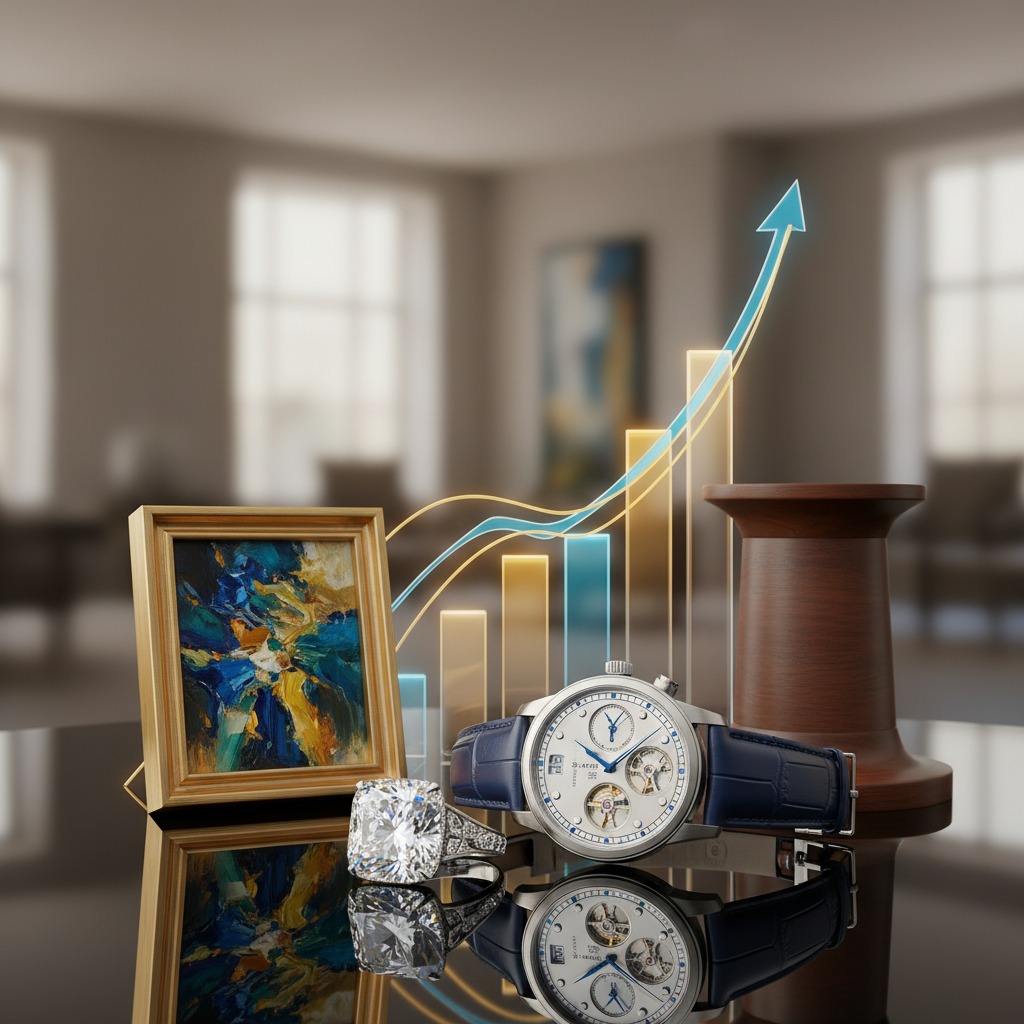
The concept of adamantine luxury extends far beyond personal aesthetics; it is a sophisticated financial strategy. Tangible, durable luxury investments—such as mechanical watches, rare coins, and high-end designer handbags—serve as powerful inflation hedges. Unlike volatile digital assets or traditional stocks, investing in unbreakable luxury goods offers the dual benefits of daily aesthetic enjoyment and long-term financial appreciation.
This “Wearable Wealth” is backed by compelling historical data. According to the Knight Frank Luxury Investment Index (KFLII) Q4 2023 data, tangible assets showed remarkable resilience: Art appreciated by +11%, Jewelry by +8%, and Watches by +5% [9]. Zooming out to a broader horizon, the statistics become even more impressive. Luxury watches demonstrated a staggering 10-year growth of 125.1%, driving an overall KFLII decade increase of 72.6% [9].
Navigating Liquidity, Authentication, and Maintenance
However, transitioning from traditional ETFs to tangible assets requires a clear understanding of the hidden costs and logistics of investing in unbreakable luxury goods. Beginners must navigate strict authentication processes to ensure their assets hold value. Securing independent GIA certificates for investment-grade gemstones and consulting certified horological experts before purchasing vintage watches are non-negotiable steps [10].
Furthermore, investors must calculate the carrying costs of these assets over a 10-year holding period. Durable luxury requires maintenance to remain durable. This includes the cost of specialized insurance riders, climate-controlled safe storage, and routine mechanical servicing—such as the mandatory cleaning and re-oiling of a mechanical watch movement every 5 to 7 years to prevent gear degradation.
The Patina Effect: Long-Lasting Elegant Materials for Home and Wardrobe
Timeless elegance and durable materials are inextricably linked, particularly in the realms of interior design and high fashion. True luxury materials possess a unique characteristic: they do not simply resist wear; they actively improve with age. This is known as the “Patina Effect.”
Architectural and textile experts emphasize that long lasting elegant materials—such as solid wood, natural stone like marble, and premium textiles including heavy-weight silk and virgin wool—gain depth, character, and beauty over decades [11]. They age gracefully, whereas synthetic alternatives simply degrade, crack, and peel. A prime historical example of this enduring sustainability is terrazzo. With a history stretching back over 500 years to Italy, terrazzo proves that repurposed, composite materials can offer extreme longevity [12]. By choosing materials that last centuries, we frame sustainability and carbon footprint reduction not as a compromise, but as the ultimate modern luxury.
Maintenance Frameworks for Timeless Materials
To preserve long lasting elegant materials, consumers must adopt proactive maintenance frameworks. A comparative analysis of lifespans reveals a distinct difference between natural and synthetic goods. Synthetics (like vinyl flooring or polyester fabrics) require little initial upkeep but inevitably end up in landfills once their short lifespan concludes.
Natural, elegant materials demand specific, ritualistic care but reward the owner with indefinite lifespans. Marble countertops must be routinely sealed to prevent acidic etching and staining. Full-grain leather goods require periodic conditioning to maintain their supple strength and prevent the fibers from drying and cracking. By mastering these simple maintenance rituals, you ensure that your investments retain their timeless elegance over decades.
Conclusion: Embracing the Adamantine Legacy
The pursuit of true luxury is no longer defined by fleeting trends or fragile status symbols. It is defined by the “Adamantine” standard: a convergence of unbreakable material science, timeless elegance, and generational financial value. By rejecting the environmental and economic drain of planned obsolescence and embracing a rigorous “buy-it-for-life” mentality, you protect both your personal wealth and the planet.
We encourage you to take immediate action. Conduct a “Jewelry Audit” of your current collection using the structural engineering checklist provided above, or consult with a certified wealth manager to explore diversifying your financial portfolio with durable luxury investments. Choose the unbreakable. Invest in the enduring. Build your adamantine legacy.
Financial Disclaimer: Information regarding asset appreciation (watches, jewelry, art) is for educational purposes and does not constitute formal financial advice. Consult a wealth manager before diversifying portfolios with tangible luxury assets.
References & Authoritative Sources
- Gemological Institute of America (GIA). (N.D.). Gemstone Luster and Light Refraction. Retrieved from gia.edu
- International Gem Society (IGS). (N.D.). The Mohs Scale of Mineral Hardness. Retrieved from gemsociety.org
- European Environment Agency (EEA). (N.D.). Environmental impact of premature disposal of consumer goods. Retrieved from eea.europa.eu
- Consumer Technology Association (CTA). (N.D.). Consumer Tech Lifecycles and Market Trends. Retrieved from cta.tech
- Imperial Dade. (N.D.). Industrial Packaging Solutions and Damage Prevention for Fragile Goods. Retrieved from imperialdade.com
- Professional Bench Jewelers. (N.D.). Jewelry Repair, Metal Fatigue, and Structural Integrity.
- Bureau of Indian Standards (BIS). (N.D.). Gold Purity and Hallmarking Standardization.
- Certified Gemologists. (N.D.). Gemstone Durability, Cleavage, and Wearability.
- Knight Frank. (2023). Knight Frank Luxury Investment Index (KFLII) Q4 2023 & Wealth Report. Retrieved from knightfrank.com
- Bain & Company. (N.D.). Global Luxury Goods Market and Consumer Trends. Retrieved from bain.com
- Architectural Digest & Vogue Archive. (N.D.). Enduring Interior Design, Material Use, and Textile History. Retrieved from architecturaldigest.com / vogue.com
- Cemex Ventures. (N.D.). Eco-friendly, Durable Building Materials and the History of Terrazzo. Retrieved from cemexventures.com
